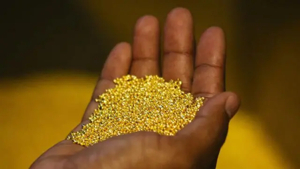
How Much Is 1 gram of 24k gold price

1 gram of 24k gold price

1 Gram of 24K Gold Price Today 2026 — Live Rates, Trends & Smart Buying Guide

1 gram of 24k gold price: The price of 1 gram of 24K gold today sits at approximately $139 USD — a figure that matters to everyone from a first-time investor buying a single gram to a jeweller pricing a bespoke piece to a serious buyer building a multi-kilogram position in physical gold.

The 1 gram 24K gold price is the entry point most individual buyers track first, and for good reason: it is the most accessible unit of pure gold, the most useful benchmark for comparing dealers, and the clearest signal of where the global gold market stands right now.

But the spot price alone tells only part of the story. What you actually pay per gram of 24K gold depends on where you buy, who you buy from, and how many intermediaries stand between the mine and your hands.

This guide covers everything — the live rate, historical trends, purity explained, how to buy 1 gram of 24K gold safely in 2026, what drives the price up and down, and why buying certified 24K gold directly from Africa delivers the most competitive price per gram available to private buyers anywhere in the world.


What Is the Price of 1 Gram of 24K Gold Right Now?

As of June 2026, the current 1 gram 24K gold price is approximately $139 USD, based on a live LBMA spot rate of approximately $4,430 per troy ounce (1 troy ounce = 31.1035 grams).

1 Gram 24K Gold Price in Multiple Currencies — June 2026

Currency Price per 1 Gram of 24K Gold
USD (US Dollar) ~$139.00
GBP (British Pound) ~£107.00
EUR (Euro) ~€122.00
UGX (Uganda Shilling) ~561,000 UGX
AED (UAE Dirham) ~AED 511
INR (Indian Rupee) ~₹11,600
KES (Kenyan Shilling) ~KSh 17,900

These figures update daily with the LBMA fix. For a purchase decision, always request a live quote from your dealer — the price you see on a financial data site is the raw spot price before premiums, taxes, and delivery costs.

Historical 24K Gold Price Per Gram — How the Market Has Moved

Understanding where the 24K gold price per gram has come from helps put today’s rate in context and supports better timing decisions:

Time Frame Price Per Gram (24K, USD) Approximate Change
June 2026 (current) ~$139.00
6 months ago (Jan 2026) ~$130.00 +6.9%
1 year ago (June 2025) ~$121.00 +14.9%
2 years ago (June 2024) ~$78.00 +78.2%
5 years ago (June 2021) ~$59.00 +135.6%

The sustained rally from $59 per gram in 2021 to $139 per gram in mid-2026 represents one of the most consistent multi-year gold bull markets in recent history — driven by persistent inflation, central bank accumulation, and global geopolitical risk that shows no sign of abating.

Gold bar price per gram


What Is 24K Gold? Purity, Value, and Why It Commands the Highest Price Per Gram

24K gold is the purest commercially available form of gold, containing 99.9% to 99.99% pure gold with no significant alloy additions. This maximum purity is precisely what commands the highest gold price per gram — every gram you pay for is almost entirely gold, with no silver, copper, or zinc diluting its value.

The intense yellow colour of 24K gold — richer and warmer than lower-karat alloys — is a direct result of its purity. Most gold jewellery uses 18K or 22K alloys because pure 24K gold is relatively soft. But for investment-grade gold bars, gold bullion, and certified gold coins, 24K (999.9 fine) is the international standard.

Understanding Gold Purity: 24K vs 22K vs 18K vs 14K

Purity Karats Fineness Gold Content Approx. Price Per Gram (USD)
24K 24/24 999.9 99.99% ~$139
22K 22/24 916 91.6% ~$127
18K 18/24 750 75.0% ~$104
14K 14/24 585 58.5% ~$81
10K 10/24 417 41.7% ~$58

The price per gram decreases proportionally with purity. If you are buying gold for investment — where every dollar spent should buy the maximum possible gold content — 24K gold bars or bullion are the most efficient choice. If you are buying for everyday jewellery that needs durability for regular wear, 18K or 22K is more practical.

Gold Bars For Sale Africa supplies certified 24K gold bars at 999.9 fineness, independently assay-certified for purity, with current pricing at 1–3% above live LBMA spot — one of the most competitive 24K gold price per gram structures available to private and institutional buyers globally.


What Drives the 1 Gram 24K Gold Price Up and Down?

The 24 karat gold price per gram is not arbitrary — it responds to a specific and well-understood set of global forces. Understanding these drivers helps you anticipate short-term movements and choose better times to buy.

1. Global Gold Spot Price and the LBMA Fix

The foundation of every gold price calculation is the LBMA gold spot price, set in London twice per trading day and expressed in USD per troy ounce. Every local price per gram, in every currency, is derived from this benchmark. When the LBMA spot moves, the 1 gram 24K gold price today moves in lockstep.

2. Inflation and Real Interest Rates

Inflation is the most powerful medium-term driver of the gold price per gram. When the purchasing power of fiat currencies erodes faster than interest rates compensate — meaning real interest rates are low or negative — investors allocate capital to gold as a store of real value. The 2022–2026 inflationary environment has been the primary driver of gold’s rise from roughly $59 per gram to $139 per gram over five years.

3. Central Bank Gold Buying

Central banks across China, India, Poland, Turkey, and the Gulf states have been purchasing physical gold at the fastest rate since the 1960s, reducing their U.S. dollar reserve exposure. This institutional demand creates a structural price floor beneath the market that supports the 24K gold price per gram regardless of short-term retail sentiment.

4. Currency Strength Against the USD

Because gold is priced globally in USD, the 1 gram gold price in local currencies — including UGX, KES, AED, INR, and EUR — moves with both the gold spot price and the local currency’s exchange rate against the dollar. When the Uganda shilling weakens against the USD, the 24K gold price per gram in UGX rises even if the international spot price holds steady. This is why East African gold buyers tracking the gold price per gram in Uganda often see larger local currency movements than USD-based prices suggest.

5. Geopolitical Risk and Safe-Haven Demand

Gold prices per gram spike during periods of elevated geopolitical tension, military conflict, or international trade disruption as investors rotate from risk assets into gold as a safe haven. The sustained elevated global risk environment of 2024–2026 has been a consistent tailwind for the 24K gold price.

6. Seasonal Demand Patterns

In India, gold demand spikes sharply during Diwali, Dhanteras, and wedding season (October–December), creating temporary upward pressure on the gold price per gram globally. In Uganda, Ghana, and East Africa, gold trading activity increases around major national and religious holidays. These seasonal patterns create predictable windows of slightly higher and slightly lower pricing that informed buyers can use to their advantage.

7. Mining Supply and Import Duties

Gold mining output is inelastic — new major deposits take 10–20 years to develop, and declining ore grades at operating mines are gradually tightening global supply. Local import duties and taxes layer additional cost onto the international spot price for buyers in markets that import refined gold. Buying through a direct African exporter like Gold Bars For Sale Africa eliminates unnecessary import and distribution layers, keeping the effective price per gram of 24K gold as close to the raw spot price as possible.


How Much Is 1 Gram of 24K Gold in Uganda? The East African Market Explained

For buyers in Uganda and the broader East African market, the gold price per gram in Uganda is a daily practical question — one that moves with both global spot and the UGX/USD exchange rate.

As of June 2026, the 1 gram 24K gold price in Uganda sits at approximately 560,000–580,000 UGX, depending on the daily exchange rate and the specific dealer’s spread. Local gold shops in Kampala apply their own premiums on top of the international spot-derived rate, meaning retail buyers typically pay more than the pure conversion figure suggests.

The smarter approach for anyone buying meaningful quantities of gold in Uganda is to work through a licensed, internationally compliant exporter like Gold Bars For Sale Africa, rather than informal street dealers whose pricing, purity claims, and documentation are inconsistent and often non-compliant with international standards.

Uganda is also one of Africa’s significant gold-producing countries — artisanal and small-scale mining in Karamoja, Mubende, and Busia produce meaningful annual output. This proximity to production is one reason buying gold bars in Uganda through a properly licensed channel can deliver pricing advantages unavailable to buyers in distant markets. Read more about gold bars in Uganda.


Where to Buy 1 Gram of 24K Gold Safely in 2026

Knowing where to buy 1 gram of 24K gold safely is as important as knowing what the current price is. The wrong source can cost you far more than a premium above spot — it can mean receiving counterfeit gold, losing money to a fraudulent dealer, or owning a bar without proper documentation.

Buying 24K Gold Direct from Africa — The Price-Per-Gram Advantage

For buyers who want the cheapest legitimate price per gram of 24K gold, sourcing directly from a licensed African gold exporter is the most powerful option in 2026.

Gold Bars For Sale Africa Ltd sources certified 24K gold bars directly from licensed mines and early refiners across Uganda, Ghana, Congo, and Tanzania. By removing the import, wholesale, and retail intermediary layers that inflate Western retail prices, the company delivers 24K gold at premiums of just 1–3% above live LBMA spot — compared to 8–15% at typical Western retail.

On a 100-gram purchase at $139 per gram spot, that premium difference saves the buyer between $950 and $1,650 compared to Western retail pricing. On institutional quantities, the savings compound substantially.

Every purchase includes independent assay certification, export permit, certificate of origin, commercial invoice, and AML/KYC compliance. Contact the team for a current live price quote before committing to any purchase.

Verified Online Bullion Dealers

Reputable online bullion dealers — including international names like JM Bullion, SD Bullion, and Kitco — sell certified 24K gold bars in 1g, 5g, 10g, and larger denominations with insured shipping and assay certification. Premiums on 1-gram bars at these dealers typically run 10–20% above spot, reflecting the disproportionate fabrication cost of very small bars.

Before buying from any online dealer: confirm their physical business registration and address, check independent reviews across multiple platforms, verify that every product listing includes assay certification and serial number information, and confirm that shipping is fully insured at declared purchase value.

Local Dealers and Coin Shops

Local bullion dealers and coin shops allow physical inspection before purchase — an advantage for buyers who are still developing their authentication skills. Prices at physical dealers reflect higher overhead and typically run 10–15% above spot for small bar sizes. Verify that any local dealer can provide an independent assay certificate for every bar they sell.

Tips to Avoid Fake 24K Gold and Scams

The market for 1-gram and small-denomination gold bars has a higher incidence of counterfeiting than larger bar sizes, because the low individual value per piece makes thorough buyer verification less likely. Protect yourself:

Check hallmarks — every genuine 24K gold bar carries the refinery name, weight (1g), fineness (999.9), and a unique serial number. Any missing or inconsistent marking is a red flag.

Insist on an assay certificate — independent laboratory confirmation of purity from an accredited testing body. Never accept the seller’s verbal purity claim in place of documented certification.

Magnet test — pure gold is non-magnetic. A bar that responds to a neodymium magnet is not genuine gold.

Buy at realistic prices — the 1 gram 24K gold price is publicly available in real time. Any seller offering gold at prices more than a few percent below the current LBMA spot is selling either fake or stolen gold.

Use traceable payment methods — bank transfer or verified online payment only. Cash and cryptocurrency purchases provide no recourse if the gold turns out to be fake.


1 Gram of 24K Gold vs Larger Gold Bars: Which Is Better Value Per Gram?

One of the most common questions from new gold investors is whether to buy small 1-gram bars or larger denominations. The answer depends on your goals — but the economics clearly favour larger sizes for anyone investing for wealth preservation.

Fabrication cost does not scale proportionally with bar size. Producing a 1-gram bar costs nearly as much as producing a 10-gram bar, so the premium per gram on a 1-gram 24K gold bar is far higher than on a larger bar:

Bar Size Typical Premium Over Spot Best For
1 gram 10–20% Gifts, introductory purchases
5 grams 8–12% Beginner investors
10 grams 6–8% Entry-level portfolio building
1 troy oz (31.1g) 4–6% Standard investor unit
100 grams 3–5% Regular investors
1 kilogram 1–2% Serious investors, institutions

If your goal is to own the maximum gold content per dollar spent — which is the correct goal for investment purposes — 100g or 1kg bars from a mine-direct African supplier at 1–3% above spot deliver far better value than 1-gram bars at 10–20% above spot.

However, 1-gram and 5-gram 24K gold bars remain popular as entry-level investments, gifts, and collector pieces — and for buyers who want to start small and build gradually, they represent a legitimate starting point. Browse certified gold bars in multiple sizes from Gold Bars For Sale Africa.


How to Sell 1 Gram of 24K Gold: Getting the Best Resale Price

Selling your 1 gram 24K gold bar for maximum return requires the same attention to market timing and channel selection as buying it.

Verify your gold’s purity and retain all documentation before approaching any buyer. A bar in its original sealed assay packaging with an intact certificate of authenticity will always sell faster and at a better price than an uncertified bar. If the assay seal has been broken, the buyer cannot be certain of purity without independent testing, which reduces what they will offer.

Check the current 24K gold price per gram on the day you intend to sell. You are entitled to receive the current spot value of your gold’s content, minus only a reasonable dealer spread. Any offer more than 5–8% below spot for a small bar should be questioned.

Choose your selling channel carefully. Selling back to a reputable bullion dealer who originally sold you the bar is typically the most efficient route — they know the product, can verify the certification quickly, and have an incentive to maintain a fair buyback spread to retain customer relationships. Refineries offer the closest-to-spot pricing for larger volumes.

Timing matters. Gold prices per gram are higher during periods of economic stress, elevated inflation, or geopolitical tension — the same conditions that originally drove you to buy. If you bought during a period of calm and the macro environment has deteriorated since, your gold has likely appreciated significantly. Avoid selling during short-term price dips driven by temporary news events.


Investment Options for 24K Gold: Physical vs Digital vs ETF

Buyers looking at the 1 gram 24K gold price today often ask whether they should own physical gold, digital gold, or a gold ETF. Each form serves different needs and carries different risks.

Physical 24K gold bars — owning a 1-gram, 10-gram, or larger 24K gold bar gives you tangible, self-custodied wealth with no counterparty risk. You own the metal. No platform, bank, or exchange can prevent access to it. The tradeoff is storage responsibility and slightly higher per-gram premiums on small denominations. Buy certified 24K gold bars directly from Africa at premiums of 1–3% above spot for the most cost-efficient physical ownership available.

Digital gold — platforms that allow you to buy fractional gold ownership without physical delivery are convenient and highly accessible. However, you own a claim on gold held by the platform — if the platform fails, your claim is only as good as the bankruptcy proceedings. Digital gold is appropriate for micro-investing and short-term exposure, not for serious wealth preservation.

Gold ETFs — exchange-traded funds tracking the gold spot price offer excellent liquidity and no storage cost. They are appropriate for investors who want gold price exposure within a brokerage account for short-to-medium term trading. They carry management fees, counterparty risk, and — critically — no entitlement to physical gold delivery for most retail investors.

For serious long-term wealth preservation, physical 24K gold bars from a documented, licensed source remain the most robust and trustworthy option. For smaller amounts and frequent trading, digital gold or ETFs complement a physical core position.

Also worth considering alongside 24K gold bars: natural African gold nuggets at 85–95% natural purity, gold dust from Africa for flexible per-gram entry, and gold coins from Africa for investors who want the liquidity benefits of a standardised coin format.


Gold Price Prediction and Trends: Where Is the 24K Gold Price Per Gram Headed?

While no one can predict gold prices with certainty, the structural factors shaping the 24K gold price trend in 2026 are among the most constructive seen in a generation.

Central banks continue accumulating gold reserves at multi-decade highs. Inflation in major economies remains above central bank targets, keeping real interest rates low or negative. Geopolitical tensions across multiple regions remain elevated, sustaining safe-haven demand. And mining supply growth is structurally constrained — new major deposits take 10–20 years to reach production.

Most serious market analysts project gold prices in the $4,500–$6,000 per ounce range over the next 3–5 years — equivalent to roughly $145–$193 per gram for 24K gold. If this projection proves correct, buyers who enter at today’s ~$139 per gram level will benefit from meaningful appreciation, in addition to the wealth preservation properties gold provides at any price level.

For buyers dollar-cost averaging into gold — buying a fixed amount of 24K gold per month regardless of the current spot price — the exact entry price matters less than the consistency of accumulation over time. A monthly commitment of even $200–$500 in certified 24K gold bars builds a meaningful position within 12–24 months.

Read more about the structural gold market outlook in the Gold Market Analysis in Africa — Prices, Trends and How to Buy Safely and the Safe Haven Gold Investment guide for 2026.


Why Buy 24K Gold from Gold Bars For Sale Africa?

Gold Bars For Sale Africa Ltd is one of East and West Africa’s most trusted licensed gold exporters, offering certified 24K gold bars, bullion, coins, nuggets, and dust directly from licensed mines across Uganda, Ghana, Congo, and Tanzania.

Source-direct 24K gold pricing at 1–3% above live LBMA spot — the same gold that sells for 8–15% above spot at Western retail is available here at a fraction of the intermediary markup.

Every bar comes with independent assay certification — laboratory-verified 999.9 fineness, unique serial number, and full documentation. You know exactly what purity you are buying.

Complete export and compliance documentation as standard — export permits, certificates of origin, commercial invoices, and AML/KYC compliance on every international transaction.

Insured worldwide delivery via trusted precious metals logistics partners with real-time tracking and full declared-value coverage.

24/7 expert support via WhatsApp, email, and phone — from specialists who understand African gold markets and can guide first-time and experienced buyers through every stage.

Contact Gold Bars For Sale Africa today to receive a live 24K gold price per gram quote and full documentation overview before your purchase.


24K Gold Price Per Gram

Frequently Asked Questions: 1 Gram 24K Gold Price

What is the price of 1 gram of 24K gold today in 2026? As of June 2026, the 1 gram 24K gold price is approximately $139 USD, based on a live LBMA spot rate of approximately $4,430 per troy ounce. The price updates continuously during trading hours. Always request a live quote from your dealer before purchasing.

What is the 1 gram 24K gold price in Uganda shillings? At current rates, the 24K gold price per gram in Uganda is approximately 560,000–580,000 UGX, depending on the daily UGX/USD exchange rate and dealer margin. Contact Gold Bars For Sale Africa for today’s exact UGX rate.

How is the 24K gold price per gram calculated? The 24K gold price per gram = (LBMA spot price in USD per troy ounce) ÷ 31.1035 grams per troy ounce. Multiply by the purity factor (0.9999 for 999.9 fine gold) and convert using the current exchange rate for your local currency. Add the dealer’s premium (1–3% at Gold Bars For Sale Africa; 8–15% at Western retail) to arrive at your total purchase price per gram.

Is 24K or 22K gold a better investment? For pure investment purposes, 24K gold is the superior choice — every gram contains the maximum possible gold content, valuation is simpler, and resale is straightforward at any LBMA-standard dealer globally. 22K gold is better suited to buyers who also want the gold for jewellery use, where its greater durability is an advantage.

Can gold price vary between dealers for the same 1 gram of 24K gold? Yes, significantly. The 24K gold price per gram you pay is the live spot price plus the dealer’s premium. That premium ranges from 1–3% at mine-direct African suppliers to 10–20% or more at retail jewellers or small coin shops selling 1-gram bars. Comparing dealer premiums before buying is one of the most important steps in getting a fair price.

How can I check if my 1 gram 24K gold bar is genuine? Check the hallmarks (refinery name, “999.9” fineness stamp, weight, serial number). Perform the magnet test — gold is non-magnetic. Verify the assay certificate’s serial number matches the bar. For definitive verification, have the bar XRF-tested at an assay lab or reputable jeweller for approximately $50.

Why are 1-gram gold bars more expensive per gram than larger bars? Fabrication cost is roughly similar regardless of bar size, so smaller bars carry a higher premium per gram. A 1-gram bar might carry a 15% premium above spot; a 1-kilogram bar might carry 1–2%. If cost efficiency is your goal, buy the largest bar you can accommodate in your storage and budget.


Stay Informed and Buy 24K Gold at the Fairest Price Available

The 1 gram 24K gold price today is a starting point, not the full picture. What matters to any informed buyer is the total price per gram paid — spot price plus premium — and whether the premium reflects a genuine, documented, assay-certified bar from a licensed source, or an inflated retail markup on a product with questionable provenance.

Buying certified 24K gold bars from Africa through Gold Bars For Sale Africa Ltd at 1–3% above live LBMA spot is the most cost-efficient, documented, and compliant route to physical 24K gold ownership available to investors in 2026 — wherever in the world you are located.

Get a live 24K gold price quote and place your order today.


Related Topics Worth Reading