
1 Ounce Gold Bar Price Today: Current Rates, Trends & Buying Guide
1 Ounce Gold Bar Price Today
As of today, **the 1 ounce gold bar price is approximately $4,320–$4,325 USD based on live spot market data.
This reflects the current gold spot price of around $4,321.88 per ounce (31.1 grams), which fluctuates with global market conditions including supply/demand, currency strength, and investor sentiment.
A standard 1 oz gold bar, typically .9999 fine (24K), trades very close to the gold spot price, though physical bullion often includes a small premium above spot for manufacturing and distribution.
Gold’s price today remains strong as investors seek safe-haven assets amid economic uncertainty.
The spot price has risen significantly over the past year, staying above $4,000 per ounce, driven by inflation concerns and global financial market dynamics.
If you’re tracking gold for investment or resale, note that dealers may list slightly different prices depending on premiums, location, and dealer fees.
Always check real-time gold price charts before buying or selling to ensure you get the best value.
Gold remains one of the world’s most trusted investment assets because it has preserved wealth for centuries and continues to play a crucial role in modern portfolios.
Unlike many financial instruments, gold doesn’t rely on corporate profits or government debt—it holds intrinsic value, is globally recognized, and serves as a hedge against inflation, currency fluctuations, and economic uncertainty.
These qualities make gold a go‑to safe haven, especially when markets wobble or geopolitical tensions rise.
Among physical gold options, 1 ounce gold bars stand out for investors looking to combine value with practicality.
They are typically produced with 99.99% purity, widely accepted worldwide, and often carry lower premiums compared to smaller denominations or collectible coins.
Because of their standardized size and recognized purity, 1 oz gold bars are easier to buy, store, and resell, offering both beginners and seasoned investors an efficient way to hold tangible wealth.
In this article, you’ll learn the current 1 ounce gold bar prices today, understand key historical price trends, uncover the main factors that drive gold prices, and get actionable buying and selling tips to make informed investment decisions.
Whether you’re building a diversified portfolio or seeking protection against inflation, this guide gives you expert‑level insights into 1 ounce gold bars and their place in smart investing.

Section 1: Understanding 1 Ounce Gold Bars
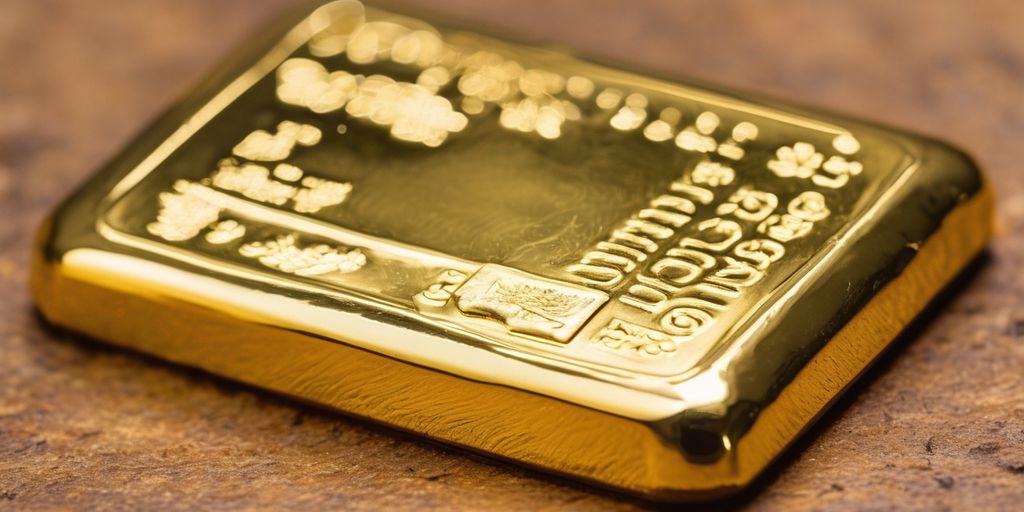
A 1 ounce gold bar is a small, standardized piece of gold weighing exactly one troy ounce (31.1035 grams).
Unlike gold coins or jewelry, gold bars are specifically designed for investment purposes, providing investors with a convenient way to buy, store, and trade physical gold.
Each bar typically comes with a certificate of authenticity and is stamped with details such as weight, purity, and the manufacturer’s hallmark, ensuring transparency and trust in transactions.
The purity of gold is a key factor in its value. Most 1-ounce gold bars are 24-karat, often labeled as .9999 fine gold, meaning 99.99% pure.
This makes them some of the purest forms of gold available on the market.
The high purity not only guarantees intrinsic value but also makes these bars universally recognized and easily sellable across global bullion markets.
Investors often compare gold bars with gold coins and other forms of gold. While coins may carry additional value as collectibles or legal tender, they often come with higher premiums.
Jewelry, on the other hand, combines artistry with gold content, but its resale value is usually lower due to craftsmanship and wear.
In contrast, 1-ounce gold bars offer simplicity and liquidity, making them ideal for those seeking pure investment exposure to gold without extra costs.
Owning a 1-ounce gold bar comes with several advantages:
-
Standardized weight and purity – ensures easy valuation and resale.
-
Portability – small size allows for discreet storage or transport.
-
Lower premiums – compared to smaller bars or coins, investors pay less over spot price.
-
Long-term value preservation – gold bars have consistently retained value across economic cycles.
-
Global recognition – easily accepted by dealers and banks worldwide.
In summary, a 1-ounce gold bar is a practical, high-purity investment option, offering security, liquidity, and long-term wealth preservation.
For anyone looking to invest in physical gold, these bars are often the preferred choice due to their standardization, transparency, and ease of trade.

Section 2: Current 1 Ounce Gold Bar Price
Understanding the current 1 ounce gold bar price means looking at the live gold spot price, which sets the base value for physical gold bars traded globally.
As of today, the spot price of gold — the price at which gold can be bought or sold for immediate delivery — is around $4,305–$4,322 USD per ounce.
This real‑time price changes throughout the trading day in response to market forces such as investor demand, economic data, currency movements, and geopolitical events.
What Drives the Current Price?
Several key factors influence today’s gold price:
-
Global Market Dynamics: Gold is widely traded on financial markets worldwide, and prices adjust constantly based on supply and demand.
-
Economic Indicators: Inflation, interest rates, and monetary policy decisions — especially from major central banks like the U.S. Federal Reserve — affect how attractive gold is relative to other assets. Lower interest rates tend to support higher gold prices.
-
Geopolitical Events: Political instability, trade tensions, and financial uncertainty can boost gold as a safe‑haven asset, increasing demand and pricing. Even recent shifts in central bank policies impact investor sentiment.
Live Gold Price Table (Today’s Spot Values)
| Unit | Price (Approx.) |
|---|---|
| Spot Gold (1 oz) | $4,305–$4,322 USD |
| 1 oz in Euro | €3,660–€3,670 |
| 1 oz in British Pound | £3,220–£3,240 |
| 1 oz in NZD | NZ$7,440–7,450 |
Note: These spot price figures represent the underlying gold value.
Physical 1 ounce gold bars are typically sold above spot because dealers add a premium — covering manufacturing, certification, storage, and distribution costs — so the final retail price may be slightly higher.
Premiums vary by dealer, brand, and local market conditions.
Gold Bars vs. Gold Coins
While both gold bars and gold coins derive value from the same underlying gold spot price, there are important differences:
-
Premiums: Gold coins (like American Eagles or Krugerrands) usually carry higher premiums above spot compared to standard 1 ounce bars because of minting costs and collectible demand.
-
Liquidity and Recognition: Bars from reputable refiners are widely recognized and often easier to trade in large quantities. Conversely, coins may be more desirable to some investors due to numismatic value — though this doesn’t always translate to better resale value.
-
Investment Focus: If your primary goal is pure gold value, bars typically offer lower cost per ounce and clearer pricing tied closely to live spot rates.

Section 3: Historical Price Trends of 1 Ounce Gold
Over the past decade, the price of gold per ounce has experienced significant growth, driven by economic, geopolitical, and monetary factors that have shaped investor sentiment.
Between 2015 and 2025, gold’s value climbed dramatically — from around $1,060 per ounce in 2015 to well over $4,200 per ounce by late 2025, representing a substantial increase in long‑term returns for bullion investors.
Gold Price Performance: 2015–2025
• 2015–2018: After sliding in 2013–2015, gold prices began a steady recovery as global economic growth remained uncertain and central banks across the world pursued accommodative monetary policies.
• 2019–2020: Trade tensions and the onset of the COVID‑19 pandemic triggered a sharp rise in gold demand as investors sought safe havens; prices surged above $1,800 and then toward $2,000 per ounce.
• 2021–2022: Markets experienced fluctuations amid vaccine rollouts and rising interest rates, causing temporary corrections.
• 2023–2025: Renewed inflation concerns, geopolitical tensions, and persistent macroeconomic uncertainty helped drive prices to record highs exceeding $3,000 per ounce and above, ultimately pushing toward $4,000+ in late 2025.
These long‑term trends show that gold’s performance has not been linear, but over multiyear horizons, gold has delivered strong cumulative gains.
Analysts estimate a compound annual growth rate (CAGR) of more than 12% over the last decade, reinforcing gold’s reputation as a reliable store of value.
Key Events That Affected Gold Prices
Several major events have shaped historical gold prices:
-
Global Financial Uncertainty: Slowdowns, market corrections, and fiscal policy shifts have periodically pushed investors toward gold as a safe haven.
-
Inflation & Monetary Policy: Periods of elevated inflation and low or uncertain interest rates have enhanced gold’s appeal relative to traditional fixed‑income assets.
-
Geopolitical Tensions: Conflicts, trade disputes, and policy unpredictability have consistently driven demand for physical gold as a hedge against risk.
-
Pandemic Impact: The COVID‑19 crisis markedly boosted demand for gold, reflected in the steep price rise in 2020.
Visualizing Growth & Dips
A historical price chart of gold over the past decade reveals clear volatility — sharp upswings during crises like the pandemic and geopolitical flashpoints, punctuated by corrections during recovery phases.
Plotted over time, these movements illustrate gold’s dual nature as both an investment and insurance asset for risk‑averse investors.
Future Outlook & Predictions
Looking forward, analysts continue to debate gold’s trajectory.
Some forecasts suggest sustained upward momentum if inflation persists and central banks maintain accommodative stances, while others highlight the potential for periods of consolidation or pullbacks dependent on interest rate decisions, currency strength, and global stability.
Recent projections even anticipate gold prices reaching higher thresholds in the coming years as macro pressures evolve.
In sum, historical trends demonstrate gold’s resilience and appeal during market uncertainty, making it a compelling long‑term asset for investors seeking diversification and wealth preservation.

Section 4: Factors Affecting 1 Ounce Gold Bar Prices
The price of a 1 ounce gold bar is influenced by a variety of economic, financial, and geopolitical factors, making gold a unique investment asset.
Understanding these drivers helps investors anticipate price movements and make informed buying or selling decisions.
1. Global Economy and Stock Markets
Gold is widely considered a safe-haven asset, meaning its demand typically rises during periods of economic uncertainty or stock market volatility.
When global markets experience downturns, recessions, or geopolitical tensions, investors often shift capital from equities and bonds into gold, driving up prices.
Conversely, strong stock market performance and economic growth may reduce gold demand as investors seek higher returns in riskier assets.
2. Currency Strength and Inflation
The U.S. dollar has a direct impact on gold prices because gold is priced globally in USD.
A weaker dollar generally makes gold cheaper for buyers using other currencies, increasing demand and pushing prices higher.
Inflation also plays a critical role; during periods of rising prices, gold is seen as a hedge against purchasing power erosion.
Historically, gold has maintained its real value during inflationary spikes, reinforcing its appeal for long-term wealth preservation.
3. Central Bank Policies and Interest Rates
Gold does not yield interest or dividends, so its attractiveness is influenced by central bank policies and interest rate levels.
Low or negative interest rates reduce the opportunity cost of holding gold, encouraging purchases.
Central banks themselves are major players in gold markets, buying or selling reserves to stabilize their economies or diversify holdings, which can directly affect bullion prices.
4. Supply and Demand in Bullion Markets
Physical supply and demand are crucial. Gold mining output is relatively steady but can be affected by geopolitical issues or operational disruptions.
On the demand side, jewelry, industrial uses, and investment purchases (like bars and coins) influence pricing.
Large-scale institutional buying or selling can trigger sharp price movements, especially when market liquidity is limited.
5. Investor Sentiment and Gold ETFs
In recent years, gold exchange-traded funds (ETFs) have allowed investors to gain exposure to gold without holding physical bullion.
ETFs influence the market by representing large-scale inflows and outflows, which can significantly affect gold bar prices.
Investor sentiment, shaped by economic forecasts, political uncertainty, and media coverage, also drives short-term demand fluctuations, making gold prices responsive to global news cycles.
In conclusion, the price of 1 ounce gold bars is the result of a complex interplay between macroeconomic conditions, currency dynamics, central bank actions, market supply-demand balances, and investor behavior.
By monitoring these factors, investors can better anticipate price trends and strategically manage their gold holdings for both short-term gains and long-term wealth preservation.

Section 5: Where and How to Buy 1 Ounce Gold Bars
Investing in 1 ounce gold bars requires careful planning to ensure authenticity, safety, and the best value.
With multiple purchase options available, understanding the pros and cons of each approach is essential for both beginners and seasoned investors.
1. Reputable Dealers and Online Platforms
Purchasing from established bullion dealers or verified online platforms is crucial.
Reputable dealers, such as Buy Cheap Gold Bars Ltd, Kitco, JM Bullion, BullionVault, Gold Buyers Africa and APMEX, offer certified gold bars from recognized refiners, transparent pricing, and reliable customer service.
These dealers often provide real-time pricing and shipping options, making it easy to track and purchase gold safely.
Online platforms have grown popular for their convenience, but buyers should always check reviews, accreditation, and return policies before committing.
2. Local vs International Purchases
Buying locally allows investors to inspect the gold in person and avoid potential shipping risks. Local coin shops or banks may offer immediate physical delivery.
International purchases, however, often provide access to a broader range of bars, sometimes at slightly lower premiums due to larger markets or competitive pricing.
When buying internationally, consider shipping costs, customs duties, and potential delays, as well as verifying the dealer’s legitimacy.
3. Checking Authenticity
Ensuring the gold bar’s authenticity is essential to avoid counterfeit products. Look for:
-
Certificates of authenticity from the manufacturer
-
Hallmarks and engravings indicating weight, purity, and refiner
-
Assay marks confirming .9999 fine gold or 24K quality
Using a combination of these verifications minimizes risk and gives confidence in the purchase.
4. Physical Delivery vs Allocated Storage
Investors can choose to receive physical delivery of their gold bars or opt for allocated storage at secure vaults offered by dealers or banks.
Physical delivery provides full ownership but requires secure storage and insurance.
Allocated storage keeps the gold in a professional vault with guaranteed ownership while eliminating personal security risks, though it may involve storage fees.
5. Avoiding Scams and Fake Gold Bars
Unfortunately, the market can attract fraudulent sellers. Avoid deals that seem too good to be true, unverified online auctions, or gold bars without certificates or clear provenance.
Always deal with regulated entities, verify bar serial numbers, and use reputable payment methods to protect your investment.
By carefully choosing a trusted dealer, verifying authenticity, and selecting the right storage option, investors can safely acquire 1 ounce gold bars with confidence.
Following these steps helps ensure that your gold remains a reliable store of value for years to come.

Section 6: Investing in 1 Ounce Gold Bars
Investing in 1 ounce gold bars is a time-tested strategy for building wealth, preserving value, and hedging against economic uncertainty.
Whether approached as a short-term speculative investment or a long-term wealth preservation tool, understanding how to use gold effectively is key for maximizing returns and managing risks.
1. Long-Term vs. Short-Term Strategies
For long-term investors, gold bars serve as a store of value that can protect wealth over decades.
Holding physical gold can shield portfolios from currency devaluation, inflation, and market volatility.
In contrast, short-term investors may capitalize on price fluctuations, buying when prices dip and selling during spikes.
While short-term trading can generate profits, it requires careful monitoring of market trends, spot prices, and geopolitical developments.
2. Gold as a Hedge Against Inflation
Gold has historically acted as a hedge against inflation. When fiat currencies lose purchasing power due to rising prices, gold often retains or even increases its real value.
This makes 1 ounce gold bars particularly attractive during periods of high inflation or economic instability, offering investors a tangible asset that preserves purchasing power over time.
3. Portfolio Diversification Benefits
Including gold bars in a portfolio can reduce overall risk. Unlike stocks or bonds, gold often moves independently of equity markets, which helps balance losses during downturns.
Even a small allocation of physical gold — 5–15% of a diversified portfolio — can enhance stability and long-term returns, making it a cornerstone of prudent investment planning.
4. Risks Associated with Gold Investing
While gold is a relatively safe asset, it is not risk-free. Price volatility, market liquidity, dealer premiums, storage costs, and potential scams are all factors to consider.
Physical gold also does not generate income, unlike dividends or interest, meaning gains rely solely on price appreciation.
Investors should weigh these risks against potential benefits when planning their strategy.
5. Tips for Beginners
-
Start small: Purchase one or a few bars initially to understand the market.
-
Buy from reputable dealers: Ensure authenticity with certified bars and hallmarks.
-
Diversify holdings: Combine gold with other asset classes for balanced risk.
-
Stay informed: Monitor spot prices, macroeconomic trends, and geopolitical events.
-
Plan storage: Decide between secure home storage or professional vaults to protect your investment.
In summary, investing in 1 ounce gold bars provides a flexible tool for wealth preservation, inflation protection, and portfolio diversification.
By understanding both the advantages and risks, and following prudent strategies, investors can harness gold’s potential to build and safeguard wealth for the long term.
Section 7: Selling Your 1 Ounce Gold Bar
Selling a 1 ounce gold bar can be straightforward if you follow best practices, understand pricing, and select reputable buyers.
Proper preparation ensures you maximize returns while minimizing risk.
1. Best Practices for Selling Gold
Before selling, research current spot prices and understand the premium applied by dealers.
Timing your sale during periods of higher gold demand or market optimism can improve returns.
Always keep certificates of authenticity and original packaging, as these documents validate your gold’s purity and weight, making it easier to sell at a fair price.
2. Resale Prices vs. Buying Prices
The resale price of a gold bar is typically slightly lower than the price you paid, as dealers add premiums during purchase to cover refining, distribution, and storage costs.
For instance, if you bought a 1 oz gold bar for $4,350, the resale price may range from $4,305 to $4,320 depending on market conditions.
Being aware of this difference helps set realistic expectations and prevents surprises during the transaction.
3. Taxes and Regulations
Selling gold may have tax implications depending on your country of residence.
In many jurisdictions, profits from selling physical gold are subject to capital gains tax.
It’s important to maintain detailed records of purchase dates, prices, and receipts.
Additionally, some countries regulate gold sales through licensing or reporting requirements, so compliance with local laws is essential.
4. Choosing the Right Buyer
Selecting a trustworthy buyer ensures a smooth and secure transaction. Options include:
-
Authorized bullion dealers: Provide reliable pricing and verified transactions.
-
Banks: Some banks buy gold bars directly, offering safe, regulated services.
-
Online bullion platforms: Offer convenience but require verification of authenticity and reputation.
Avoid unknown or unverified buyers, especially online, as fraudulent transactions and underpayment risks are common.
In conclusion, selling a 1 ounce gold bar requires attention to market prices, understanding the premium, adherence to legal requirements, and careful selection of buyers.
By following these guidelines, you can sell your gold efficiently and securely, ensuring you retain the maximum value from your investment.

Why Buy Your 1 Ounce Gold Bar from Buy Cheap Gold Bars Ltd
When it comes to investing in physical gold, trust, purity, and value are non‑negotiable — and that’s exactly what Buy Cheap Gold Bars Ltd delivers.
As a trusted African gold dealer with a strong track record, we specialize in sourcing certified 24K (99.99% pure) gold bars directly from some of Africa’s most reputable refineries, including Uganda’s African Gold Refinery and South Africa’s Rand Refinery.
This direct sourcing ensures authenticity and a premium investment you can rely on.
1. Direct‑from‑Source Pricing Means Better Value
Because we eliminate costly middlemen and excessive retail markups, our gold bars are priced 10–15% lower than typical global market premiums, giving buyers more gold for their money.
This competitive pricing structure makes buying a 1 ounce gold bar from us an attractive option for both first‑time investors and seasoned bullion holders.
2. Certified Purity and Documentation
Every gold bar purchased through Buy Cheap Gold Bars Ltd comes with assay certificates, certificates of origin, and full documentation, so you can confidently prove purity and provenance.
We partner with LBMA‑accredited refineries and verified assay labs to back every piece of gold with transparent, verifiable credentials — a must in a market where counterfeits and scams are unfortunately common.
3. Secure, Insured Global Delivery
Your gold doesn’t just leave the refinery — it’s shipped with insured, GPS‑tracked logistics to destinations around the world.
Our secure delivery service ensures your investment arrives safely, discreetly, and on time, whether you’re in the UAE, India, the US, the UK, or anywhere else.
4. Ethical and Sustainable Sourcing
We’re committed to ethical sourcing and supporting mining communities across Africa.
Our compliance with responsible gold standards ensures that your investment is both legitimate and principled — reinforcing your confidence in the purity and origin of every ounce you buy.
5. Personalized Support and Easy Buying Experience
Whether you’re buying your first gold bar or expanding a portfolio, our team is dedicated to making the buying experience simple, transparent, and stress‑free.
From instant quotes to after‑sales support, we guide you every step of the way.
In short:
Buy Cheap Gold Bars Ltd offers certified, authentic African gold at competitive prices, with full documentation, secure delivery, and ethical sourcing — making us a smart choice for anyone serious about gold investment.
Frequently Asked Questions
What is the current price of a 1 ounce gold bar?
The current price of a 1 ounce gold bar is approximately $4,320 USD, depending on live spot gold rates and dealer premiums.
Why does the gold bar price fluctuate daily?
Prices fluctuate due to changes in the global gold spot market, currency strength, investor demand, inflation, and geopolitical events.
How does the gold bar price differ from the spot price?
The price of a physical gold bar usually includes a premium above the spot price to cover manufacturing, distribution, and dealer fees.
Is the 1 ounce gold bar price the same worldwide?
While the spot price is global, the final price can vary based on local taxes, shipping costs, and dealer premiums.
What affects 1 ounce gold bar prices the most?
Key factors include global economic conditions, stock market trends, currency strength, inflation, and central bank policies.
Can I buy a 1 ounce gold bar at today’s spot price?
Dealers typically sell slightly above spot price due to premiums, but you can closely track live rates to purchase when premiums are low.
How do gold coins compare to 1 ounce gold bars in price?
Coins often carry higher premiums than bars because of minting costs and collectible value, while bars provide lower-cost exposure to pure gold.
Where can I check real-time 1 ounce gold bar prices?
Real-time prices can be checked on platforms like Kitco, CoinCodex, BullionVault, and GoldPrice.org.
Does the price of 1 ounce gold bars include taxes?
The listed price usually excludes local sales tax or import duties, which may apply depending on your country.
Should I buy 1 ounce gold bars for investment today?
If you seek long-term wealth preservation, inflation protection, and portfolio diversification, 1 ounce gold bars remain a trusted investment choice.
Conclusion
Investing in 1 ounce gold bars offers a reliable way to preserve wealth, hedge against inflation, and diversify your portfolio. Over the past decade, gold has shown strong price growth and resilience, responding to global economic shifts, geopolitical events, and investor sentiment.
Understanding the current price, historical trends, and the factors affecting gold is essential for making informed decisions.
When buying gold bars, it’s crucial to choose reputable dealers, verify authenticity through certificates and hallmarks, and decide between physical delivery or secure allocated storage.
Likewise, selling gold requires attention to market prices, premiums, taxes, and trusted buyers to ensure a safe and profitable transaction.
For investors, regular monitoring of the live 1 ounce gold bar price is key to maximizing value.
Staying informed about economic indicators, spot prices, and market trends empowers you to make timely purchases and sales, whether for short-term gains or long-term wealth preservation.
Start investing smartly today: check the latest 1 ounce gold bar prices, choose certified, high-quality bullion, and take the first step toward building a secure, diversified portfolio with tangible assets that have stood the test of time. Contact us Today.