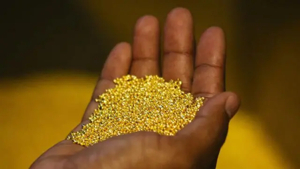
18K Gold

18K Gold

18K Gold: Meaning, Value, Benefits & Buying Guide 2026

18K gold stands as one of the most sought-after materials in fine jewelry, striking an ideal balance between luxurious purity and practical durability.

At its core, 18K gold consists of 75% pure gold mixed with 25% other metals (alloys) such as copper, silver, or zinc.

This composition earns it the “18K” designation, where “K” refers to “karat”—a measure of gold purity on a scale of 24 (pure gold).

What makes 18K gold so popular?

It delivers the rich, warm glow of high-purity gold while being strong enough for everyday wear, unlike softer 24K gold.

Jewelers worldwide favor it for engagement rings, necklaces, earrings, and bracelets because it offers superior luxury appeal without sacrificing wearability.

In regions like Europe and the Middle East, 18K is the standard for premium pieces.

In this comprehensive guide, you’ll discover everything about 18K gold:

its exact meaning and purity, how it compares to other karats like 14K and 24K, its real-world benefits and drawbacks, tips for identifying authentic pieces, current value insights (especially with gold prices soaring in early 2026), and practical advice on buying, caring for, and wearing it.

Whether you’re shopping for your first luxury piece or evaluating an heirloom, this article equips you with the knowledge to make confident decisions.

With gold hitting record highs around $4,400 per troy ounce in January 2026, understanding 18K gold has never been more valuable.

18K Gold

What Is 18K Gold?

What is 18K gold? Simply put, it’s gold that is 18 parts out of 24 pure—translating to 75% pure gold by weight.

The remaining 25% consists of alloy metals added to enhance strength, alter color, and improve workability.

The term “K” (karat) originates from the carob seed, historically used as a weight standard for precious metals.

In the karat system, 24K represents 100% pure gold (actually 99.9% in practice due to refining limits).

Thus, 18K means 18/24 or 75% gold.

Is 18K gold real or fake? Yes, it’s absolutely real gold—not plated or imitation.

The purity is genuine, and reputable jewelers stamp it with “18K,” “750” (indicating 750 parts per 1,000 gold), or similar hallmarks.

Fakes might mimic the stamp, but professional testing reveals the truth.

This purity level is why 18K gold feels premium: it retains the coveted warm, rich tone of pure gold while alloys make it suitable for intricate designs.

In many countries, 18K is the benchmark for fine jewelry, offering better value retention than lower-karat options.

18K Gold Purity Explained

Gold purity is measured on the karat scale, where higher numbers indicate more pure gold:

  • 24K: 99.9% gold – Soft, bright yellow, rarely used in jewelry.
  • 22K: ~91.7% gold – Very soft, common in investment bars or traditional pieces.
  • 18K: 75% gold – Luxurious color, good durability.
  • 14K: ~58.3% gold – Highly durable, affordable.
  • 10K: ~41.7% gold – Most durable, budget-friendly.

Alloys are added because pure gold (24K) is too soft—it bends, scratches easily, and deforms under daily stress.

By mixing in metals like copper (for rose tones), silver (for white), or zinc, jewelers create stronger alloys while preserving gold’s beauty.

Color variations in 18K gold depend on alloys:

  • Yellow gold: Copper + silver for classic warm hue.
  • White gold: Nickel, palladium, or zinc + rhodium plating for silvery shine.
  • Rose gold: Higher copper for pinkish-red tone.

These variations allow personalization while maintaining 75% purity.

18K Gold vs 14K vs 24K Gold

18K Gold vs 14K vs 24K Gold

Choosing between karats involves trade-offs in purity, durability, appearance, cost, and use.

Here’s a clear comparison:

  • Purity
    • 24K: 99.9%
    • 18K: 75%
    • 14K: 58.3%
  • Durability
    • 24K: Very soft, scratches/bends easily—not ideal for rings.
    • 18K: Softer than 14K but suitable for most jewelry.
    • 14K: Hardest, scratch-resistant—best for everyday wear.
  • Color
    • 24K: Intense, deep yellow-orange.
    • 18K: Rich, vibrant yellow (or custom tones).
    • 14K: Slightly paler yellow.
  • Price (approximate, based on Jan 2026 gold ~$4,400/oz)
    • 24K: Highest (~$142/gram pure).
    • 18K: Mid-high (~$106/gram).
    • 14K: Lowest (~$81/gram).
  • Best Use
    • 24K: Investment bars, coins, occasional wear.
    • 18K: Fine jewelry, engagement rings, luxury pieces.
    • 14K: Everyday rings, active lifestyles.

18K vs 14K suits those wanting richer color and higher value, while 14K wins for toughness. 18K vs 24K favors 18K for practicality—24K is too fragile for most jewelry.

Is 18K Gold Worth Buying?

Pros of 18K gold include its rich, luxurious color that doesn’t fade like lower karats, high intrinsic value from 75% pure gold, and timeless appeal in fine jewelry.

It holds resale value well, especially during gold bull markets like 2025-2026.

Cons include being softer than 14K (more prone to scratches) and higher cost due to more pure gold content.

It’s worth buying if you prioritize elegance and long-term value—perfect for special pieces or those with careful lifestyles.

Skip it for heavy daily wear if durability is key; opt for 14K instead.

Benefits of 18K Gold Jewelry

18K gold jewelry is widely valued for its perfect balance of beauty, purity, and durability.

With a higher gold content than lower-karat options, it offers both luxury appeal and long-term practicality, making it a preferred choice for fine jewelry.

1. Hypoallergenic benefits

One of the key advantages of 18K gold jewelry is that it is generally hypoallergenic. Because it contains 75% pure gold, it has fewer alloy metals that commonly cause skin irritation, such as nickel.

This makes 18K gold ideal for people with sensitive skin or those who wear jewelry daily.

Earrings, rings, and necklaces made from 18K gold are less likely to trigger allergic reactions compared to lower-karat alternatives.

2. Luxury appearance

18K gold is known for its rich, warm color and refined shine.

Its higher gold content gives it a deeper, more luxurious tone than 14K gold, making it visually closer to pure gold while remaining strong enough for everyday wear.

Whether crafted into minimalist designs or intricate statement pieces, 18K gold jewelry conveys elegance, sophistication, and premium quality.

3. Long-term value

Beyond aesthetics, 18K gold jewelry holds strong long-term value. Gold is a globally recognized store of wealth, and the high purity of 18K gold helps preserve its worth over time.

While fashion trends may change, the intrinsic value of gold remains relatively stable, making 18K gold jewelry both a style choice and a smart investment.

4. Resale and heirloom value

Thanks to its high gold content and durability, 18K gold jewelry retains excellent resale value.

It is also well-suited for heirloom pieces that can be passed down through generations, maintaining both sentimental and financial worth.

Is 18K Gold Good for Everyday Wear?

Is 18K Gold Good for Everyday Wear?

18K gold is an excellent choice for everyday wear, especially for those who want a balance between luxury and durability.

With 75% pure gold mixed with strengthening alloy metals, it is more durable than higher-karat gold like 22K or 24K, while still offering a rich, premium appearance.

1. Durability discussion

Compared to lower-karat gold, 18K gold is slightly softer, but it is still strong enough for regular use when properly cared for.

It resists tarnishing and corrosion very well, making it suitable for daily wear.

However, because it is not as hard as 14K gold, it can be more prone to scratches if exposed to frequent impact or rough activities.

2. Rings vs necklaces vs bracelets

Rings experience the most wear because they come into contact with hard surfaces throughout the day.

While 18K gold rings are popular and durable, they may show minor scratches over time.

Necklaces and earrings are ideal for 18K gold, as they face less friction and maintain their shine longer.

Bracelets fall in between—elegant and durable, but best removed during physical activities to avoid damage.

3. Maintenance tips

To keep 18K gold jewelry looking its best, remove it before heavy work, exercise, or cleaning.

Clean pieces gently with mild soap and water, and store them separately to prevent scratches.

With regular care, 18K gold jewelry can be worn daily while maintaining its beauty and value.

How to Identify Real 18K Gold

Knowing how to identify real 18K gold is essential to avoid counterfeit or low-quality pieces.

Genuine 18K gold contains 75% pure gold, and there are several reliable ways to verify its authenticity.

1. Hallmarks & stamps (750)

One of the easiest ways to identify real 18K gold is by checking for official hallmarks.

Most genuine pieces are stamped with “18K,” “18KT,” or “750,” which indicates 75% gold purity.

These stamps are usually found on clasps, inner ring bands, or hidden areas of jewelry.

While a hallmark is a strong indicator of authenticity, it should not be the only method used, as stamps can be forged.

2. Magnet test (basic explanation)

Gold is not magnetic, so a simple magnet test can help detect obvious fakes.

Place a strong magnet near the jewelry—if it sticks firmly, the piece likely contains little or no real gold.

However, this test is not conclusive.

Some non-magnetic metals can still be used in fake jewelry, and real gold pieces may contain small magnetic components in clasps.

3. Professional testing

For accurate verification, professional testing is the most reliable option.

Jewelers and gold dealers use methods such as acid testing, electronic gold testers, or X-ray fluorescence (XRF) analysis to determine purity without damaging the piece.

These tests confirm whether the gold truly meets 18K standards.

4. Avoiding fake gold

To reduce the risk of buying fake 18K gold, purchase only from reputable sellers, request certification when available, and compare prices carefully.

Extremely low prices are often a warning sign. Verifying authenticity protects both your investment and peace of mind.

Gold Purity Explained 

How Much Is 18K Gold Worth?

The value of 18K gold depends on several factors, including purity, market rates, and craftsmanship.

Understanding these can help you make informed buying or selling decisions.

1. Factors affecting price

The main factor is gold purity. 18K gold contains 75% pure gold, so its value is closely tied to the current price of pure gold.

Other elements, such as alloy metals, design complexity, and brand reputation, also influence the final price of jewelry or bars.

2. Gold market rate

The global gold market rate fluctuates daily based on supply, demand, economic conditions, and geopolitical events. 18K gold is priced proportionally to the spot price of pure gold.

For example, if pure gold costs $60 per gram, 18K gold (75% gold) would be roughly $45 per gram, before factoring in additional costs.

3. Jewelry craftsmanship costs

For jewelry, the price is higher than the raw gold value because of craftsmanship, design, and finishing.

Intricate designs, gemstone settings, or branded pieces add significant value.

Even though the gold content is a major component, labor and artistry can sometimes exceed the gold’s material cost.

4. Why prices vary

Prices vary between sellers due to location, market fluctuations, demand, and additional services such as certification or insured delivery.

Always compare trusted sources and ensure you are buying from a reputable dealer to get fair value for your 18K gold purchase.

By understanding these factors, you can confidently evaluate the worth of 18K gold jewelry or bullion and avoid overpaying.

Best Types of 18K Gold Jewelry to Buy

Rings: Engagement/wedding—timeless luxury.

Necklaces: Elegant chains/pendants.

Earrings: Hoops/studs for daily sparkle.

Bracelets: Bangles/cuffs for statement.

Engagement & wedding jewelry: Ideal for rich color.

Gold Jewelry

How to Care for 18K Gold Jewelry

Proper care helps 18K gold jewelry maintain its rich color, shine, and long-term value. While 18K gold is durable, it still benefits from gentle handling and regular maintenance.

1. Cleaning tips

Clean your 18K gold jewelry regularly to remove oils, dirt, and product buildup.

Use warm water mixed with a few drops of mild dish soap and gently scrub with a soft-bristled brush or cloth.

Rinse thoroughly and dry with a clean, lint-free cloth.

Avoid harsh chemicals, abrasive cleaners, or toothpaste, as these can damage the surface and reduce shine.

For intricate or gemstone-set pieces, professional cleaning once or twice a year is recommended.

2. Storage advice

Store 18K gold jewelry separately to prevent scratches.

Keep pieces in a soft-lined jewelry box, pouch, or individual compartments.

Avoid storing gold jewelry in humid areas, as moisture can affect alloy metals over time.

When traveling, wrap each item in a soft cloth to minimize friction and impact.

3. Avoiding damage

Remove 18K gold jewelry before exercising, swimming, showering, or using household cleaners.

Chlorine, sweat, and cosmetics can dull the finish and weaken alloys.

By taking these precautions, your 18K gold jewelry will stay beautiful for years to come.

Gold Jewelry Care & Maintenance 

Why Buy 18K Gold from Gold Bars for Sale Africa

If you’re considering a purchase — whether for investment, jewelry crafting, or resale — choosing the right supplier matters.

Here’s what sets Gold Bars for Sale Africa apart and why buyers trust them:

1. Competitive, Direct-Source Pricing

Gold Bars for Sale Africa sources gold directly from African mines and reputable refineries — including Uganda, Ghana, Tanzania, Kenya, and the DRC — which helps them offer more competitive prices than many middle-market dealers.

Cutting out layers of middlemen can translate into lower premiums on gold products like 18K bars or granules.

2. Certified Authenticity & Transparency

Every gold product is backed by assay certificates, export documentation, and purity verification, giving confidence that what you’re buying is genuine and properly graded — an essential factor when buying 18K or higher-purity gold.

3. Secure, Insured Global Delivery

We offer insured, GPS-tracked shipping and full documentation support so your purchase — whether 18K gold jewelry stock or precious metal bullion — arrives safely anywhere in the world. This level of logistics support reduces risk and protects your investment.

4. Ethical & Traceable Sourcing

We emphasizes ethical sourcing practices by working with licensed miners and compliant refineries, aiming to ensure traceability and responsible supply chains — which matters increasingly to buyers who care about sustainability and origin.

5. Customer Support & Expert Guidance

We provide customer support and personalized assistance, answering questions about pricing, purity, certification, and logistics — especially useful for first-time buyers or those new to buying gold internationally.

6. Note on Due Diligence

While Gold Bars for Sale Africa makes strong claims about price and documentation, gold buying always requires careful verification. Always confirm assay reports, serial numbers, export permits, and use secure payment methods to protect your investment.

Quick Summary:
Buying 18K gold through Gold Bars for Sale Africa can be attractive because of competitive pricing, certified authenticity, secure delivery, ethical sourcing, and supportive service — all of which help give buyers confidence and value in their purchase.

Frequently Asked Questions About 18K Gold

Does 18K gold tarnish?

18K gold does not easily tarnish, but it is not completely immune. Because it contains 75% pure gold mixed with other metals, it is far more resistant to tarnishing than lower-karat gold like 10K or 14K. Over time, exposure to chemicals, sweat, perfumes, or harsh environments may cause slight dullness, but regular cleaning will restore its shine. With proper care, 18K gold jewelry maintains its rich color and luster for many years.

Can you shower with 18K gold?

Yes, you can shower with 18K gold jewelry occasionally, as it is more resistant to corrosion than lower-karat gold. However, frequent exposure to soap, shampoo, and hard water minerals can gradually reduce its shine. For long-lasting brilliance, it’s best to remove 18K gold jewelry before showering, swimming, or using cleaning products.

Is 18K gold better than 22K gold?

Neither is universally better—it depends on usage. 22K gold contains more pure gold and has a deeper yellow color, but it is softer and more prone to scratches. 18K gold offers an ideal balance between purity and durability, making it better for everyday jewelry like rings and bracelets, while still maintaining a luxurious appearance.

Is 18K gold hypoallergenic?

Yes, 18K gold is generally hypoallergenic and suitable for sensitive skin. Its high gold content reduces the risk of skin irritation compared to lower-karat gold, which contains more alloy metals. This makes 18K gold a popular choice for fine jewelry worn daily.

Conclusion

18K gold combines beauty, value, and wearability—perfect for those seeking luxury that lasts. With its rich tone, solid resale potential, and versatility, it’s a smart investment in 2026’s high-gold market.