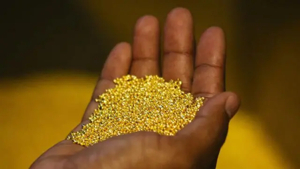
Gold Dust

gold dust

Gold Dust: What It Is, Value, Price & How to Buy Safely

Gold dust consists of fine particles of gold collected from mining operations or riverbeds through panning, sluicing, or gravity separation. Highly valuable yet often misunderstood, gold dust represents one of the purest forms of natural gold, offering direct access to raw, unrefined material straight from African mining regions.

In 2026, with global spot gold prices hovering near $4,700–$4,900 per ounce (approximately $150–$158 per gram for 24K), interest in raw gold dust for sale continues to grow among refiners, jewelers, investors, and industrial buyers in Europe and Asia.

However, its fine particulate nature makes verification critical. This comprehensive guide covers everything from formation and purity to gold dust price per gram, testing methods, and safe purchasing practices.

Whether you search for how to test gold dust, buy gold dust online, or reliable sources from East and Central Africa, this 2026 guide equips you with practical knowledge to navigate the market confidently.

What Is Gold Dust?

Gold dust comprises tiny flakes or powder-like particles of gold liberated from host rock through natural erosion or mechanical processing. Unlike solid gold bars or nuggets, dust forms when gold-bearing ore weathers over millennia.

Rivers and streams carry and concentrate these fine particles in alluvial deposits, while hard-rock mining produces dust during crushing and gravity concentration.

In Africa, much gold dust comes from artisanal and small-scale mining (ASM). Miners use simple techniques like panning or sluice boxes to separate heavy gold from lighter sediments.

The result is raw, often unrefined material that may contain trace silver, copper, or other minerals. Purity typically ranges from 18K to 23K+ before refining, making it attractive for those seeking cost-effective entry into physical gold or material for further processing.

Gold dust appeals to buyers who want:

  • Direct sourcing from mining areas
  • Potential for custom refining
  • Lower per-unit processing costs in bulk

However, its fine form increases risks of contamination, moisture, or deliberate adulteration, underscoring the need for rigorous testing.

Where Gold Dust Is Found

Africa remains one of the world’s richest sources of gold dust, thanks to vast alluvial and primary deposits.

  • Ghana: West Africa’s gold powerhouse produces significant alluvial dust from rivers like the Pra and Ankobra. Artisanal mining yields high volumes of fine particles.
  • Uganda: Emerging as a key player, especially in the Karamoja region and western areas. Recent large ore discoveries support growing dust and nugget output, often with naturally high purity.
  • Tanzania: Lake Victoria Goldfields and artisanal sites around Geita supply consistent dust. Large-scale mines complement ASM production.
  • Kenya: Deposits in western regions (near Kisumu and Migori) and new discoveries in Kakamega contribute alluvial dust. Nairobi serves as a trading hub.

Other notable sources in your supply network include Congo (DRC) and Sudan, where riverine and artisanal operations generate fine gold particles.

East and Central African dust often features good natural fineness due to geological conditions, though formalization efforts aim to improve traceability and reduce mercury use.

Buyers seeking raw gold dust for sale benefit from multi-country sourcing across Uganda, Tanzania, Kenya, Congo, and Sudan for diversified supply and competitive pricing.

Gold Dust Purity & Quality

Gold dust purity is measured in karats (out of 24) or fineness (parts per thousand).

Typical ranges for African-sourced dust:

  • 18K–20K (75–83% pure): Common in raw alluvial material with natural alloys.
  • 22K (~91.7% pure): Frequent in East African output; durable yet high-value.
  • 23K–24K (95–99.9%+): Achieved after basic cleaning or from low-impurity deposits; ideal for investment-grade refining.

Quality depends on:

  • Geological source (alluvial vs. hard-rock)
  • Mining method (mercury-free preferred for cleaner product)
  • Post-collection processing (washing, magnetic separation)

Assay testing remains essential. Reputable suppliers provide independent lab reports detailing exact fineness, weight, and impurities.

Raw dust often requires refining to reach 99.9% (999.9 fine) for bullion standards. Buyers should factor in refining costs when comparing dust versus pre-refined bars.

Higher purity commands premium pricing but reduces processing expenses downstream.

Gold Dust Price

Gold dust price per gram tracks global spot prices with adjustments for form, purity, quantity, and location.

As of mid-April 2026, spot gold trades around $4,700–$4,900 per troy ounce, translating to roughly $151–$158 per gram for pure 24K gold. Raw gold dust typically trades at a discount to refined bars due to refining needs and handling but may carry sourcing premiums in small lots.

Approximate 2026 ranges (subject to daily fluctuations):

  • Per gram (raw 22K dust): $130–$145 USD equivalent, depending on assayed purity.
  • Per ounce: Scales with spot; expect 10–20% variance based on quality.
  • Bulk pricing (kg+): Discounts for volume, often closer to spot minus refining margin.

Factors affecting price:

  • Purity — Higher karat = higher value per gram.
  • Global market rates — Driven by central bank buying, geopolitics, and inflation hedging.
  • Supply and demand — Strong Asian and European refinery demand supports prices.
  • Documentation and traceability — Certified, conflict-free dust commands better rates.
  • Quantity — Small samples cost more per unit; wholesale lots reduce premiums.

Always request current quotes, as gold dust price can shift rapidly. Compare against LBMA benchmarks and factor in export/shipping costs when buying internationally.

How to Test Gold Dust

Proper testing builds trust and prevents losses. Here are reliable methods:

  • Acid Test: Scratch or place a small sample on a testing stone. Apply nitric acid (or karat-specific solutions). Pure gold resists dissolution; lower purity shows reactions (color changes or bubbling). Use ventilation and safety gear. This quick field test indicates approximate karat.
  • Electronic Gold Tester / XRF Analyzer: Non-destructive; provides instant purity readout via X-ray fluorescence. Ideal for dust as it analyzes composition without significant sample loss. Professional suppliers often demonstrate on-site.
  • Laboratory Assay (Fire Assay or ICP): Most accurate. Send samples to accredited labs for precise fineness, impurities, and weight verification. Reputable African exporters include recent assay certificates.

Home testing tips: Start with visual inspection (color, heaviness), then acid on a tiny portion. For dust, weigh accurately and test density if possible. Never rely solely on visual claims or unverified videos.

Serious buyers insist on independent third-party assays before large payments.

Risks & Scams

The gold dust market attracts scams due to its portable, high-value nature. Common issues include:

  • Fake or adulterated dust: Brass powder, pyrite (“fool’s gold”), or heavily diluted material mixed with real gold for initial samples.
  • Low-purity misrepresentation: Sellers claim 24K while delivering 18K or less.
  • Advance fee fraud: Demands for “export taxes,” “insurance,” or “facilitation fees” before delivery.
  • Sample bait-and-switch: Genuine small samples followed by fake bulk shipments.
  • Unrealistic pricing: Offers far below market signal potential fraud.

Risks rise with unverified online sellers or excessive middlemen. Transparency from licensed operations minimizes these issues.

How to Separate Gold Dust from Sand

How to Buy Gold Dust Safely

Follow these steps for secure transactions:

  • Choose verified suppliers with government licenses, physical presence, and track records.
  • Request full documentation: Assay reports, certificates of origin, export permits.
  • Use secure payment methods: Letters of credit, escrow services, or bank transfers with milestones.
  • Verify in person or via trusted agents when possible; insist on supervised testing.
  • Start small to build confidence before scaling up.

As a direct multi-country exporter sourcing from Uganda, Congo, Kenya, Sudan, and Tanzania, Gold Bars for Sale Africa Ltd prioritizes compliance, on-site verification, and insured logistics for international clients in Europe and Asia.

Exporting Gold Dust from Africa

Exporting requires strict compliance:

  1. Source from licensed miners or dealers.
  2. Obtain assay certificate from accredited lab.
  3. Secure export permit from relevant ministry (e.g., Directorate of Geological Survey and Mines in Uganda, Ministry of Mining in Kenya).
  4. Pay applicable royalties/levies (typically 5–6% depending on country).
  5. Complete customs declaration and ICGLR certification for conflict-free status where applicable.
  6. Arrange insured, tracked shipping (air freight common for dust due to volume/weight).

Timelines vary from days to weeks depending on documentation. Professional exporters handle packaging in secure, tamper-evident containers to prevent loss or contamination.

Legal Considerations

Legal export demands proper approvals. Key authorities include:

  • Uganda: Directorate of Geological Survey and Mines (DGSM)
  • Kenya: Ministry of Mining, Blue Economy & Maritime Affairs
  • Tanzania: Ministry of Minerals / Tanzania Mining Commission
  • Similar bodies in Congo and Sudan.

Foreign buyers can purchase but must adhere to anti-money laundering rules and import regulations in their destination country. Unrefined dust may face additional scrutiny or local value-addition requirements in some nations. Always consult legal experts familiar with mineral trade.

Where to Buy Gold Dust

Options include:

  • Local dealers near mining areas or in hubs like Kampala, Nairobi, or Dar es Salaam.
  • Reputable online/export suppliers with transparent processes and verifiable licenses.

For secure international transactions, work with established exporters offering end-to-end support. Gold Bars for Sale Africa Ltd stands out as a trusted source, providing certified raw gold dust for sale directly from verified operations across Uganda, Tanzania, Kenya, Congo, and Sudan.

Data & Comparison Tables

Gold Forms Comparison

  • Gold Dust: Fine particles; good for refining; requires testing; potentially lower entry cost.
  • Gold Nuggets: Larger natural pieces; variable purity; visual appeal.
  • Gold Bars: Refined, standardized; easiest valuation and liquidity; higher upfront purity.

Purity vs. Approximate Value (2026, per gram basis, indicative)

  • 18K: Lower value due to alloys
  • 22K: Balanced for many buyers
  • 24K (refined): Highest per-gram price

Price Factors Table

  • High purity + documentation → Premium pricing
  • Bulk volume → Discounts
  • Global spot rise → Upward pressure on dust

FAQs about Gold Dust

Is gold dust real gold?

Yes — it consists of genuine gold particles, though purity varies and refining is often needed.

How much is gold dust worth?

Value tracks spot gold (currently ~$151–$158/gram for pure) adjusted for assayed purity, form, and quantity. Request current quotes.

Can you sell gold dust?

Yes, to refiners, jewelers, or exporters. Licensed channels ensure legal sale and fair pricing.

How do you test gold dust at home?

Use acid testing on a small sample or a portable electronic tester. For accuracy, send to a lab for assay.

Additional common questions: What documentation is needed for export? Is dust better than bars for investment? How to avoid scams when buying online?

Conclusion and Call to Action

Gold dust offers a unique opportunity to engage directly with natural African gold at competitive terms, provided you prioritize verification, purity, and compliance. Its fine form rewards informed buyers who demand proper testing and documentation.

For genuine, traceable raw gold dust for sale sourced responsibly from Uganda, Congo, Kenya, Sudan, and Tanzania, partner with a proven exporter. Gold Bars for Sale Africa Ltd delivers secure transactions, full certifications, competitive 2026 pricing, and reliable international delivery to Europe and Asia.

Ready to secure high-quality gold dust? Contact Gold Bars for Sale Africa Ltd today for a personalized quote, assay-backed samples, and expert guidance on safe purchasing and export. Don’t risk unregulated deals — buy gold dust in Uganda (and across our East & Central African network) with a trusted, licensed supplier committed to transparency and client success.

Reach out now via our secure channels to start your transaction with confidence. Protect your investment and capitalize on Africa’s rich gold resources the right way in 2026.