
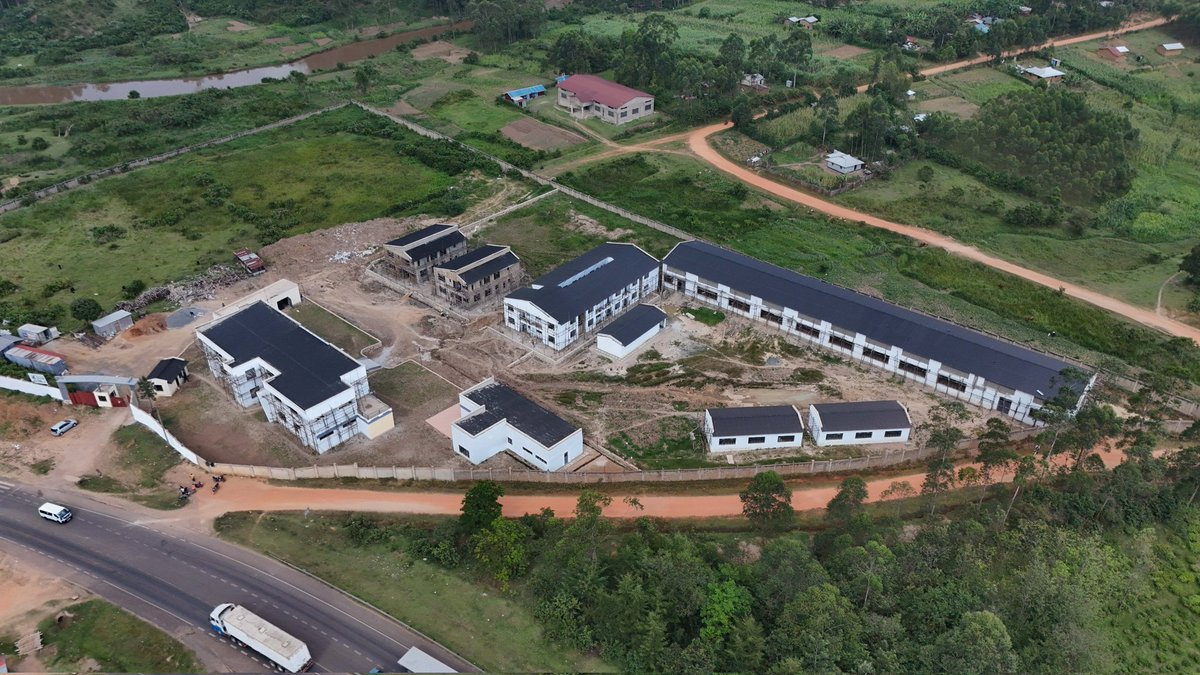
Kakamega Gold Refinery: Location, Capacity, Operations & Latest Updates
Kakamega Gold Refinery: The Kakamega Gold Refinery represents a pivotal advancement in Kenya’s mining sector, designed to refine gold extracted from local mines and curb the export of raw materials. Situated in western Kenya, this facility aims to enhance value addition in the gold supply chain, benefiting artisanal miners, local communities, and the national economy.
By processing gold domestically, it reduces reliance on foreign refineries and minimizes smuggling, which has long plagued the industry.

Gold Mining in Kakamega County
Gold mining in Kakamega County has a rich history dating back to the colonial era, when British explorers first identified deposits in the 1930s. The area, part of the larger Kakamega Forest region, became a focal point for small-scale extraction during the mid-20th century.
Artisanal mining, characterized by manual labor and basic tools like pans and sluices, dominated the scene for decades. These operations often involved local communities digging shallow pits or panning in rivers, yielding small quantities of gold dust and gold nuggets.
In contrast, commercial mining emerged more recently, with companies like Shanta Gold acquiring licenses to conduct large-scale explorations using mechanized equipment and geological surveys.
The distinction between artisanal and commercial mining is stark in Kakamega. Artisanal miners, numbering in the thousands, typically operate informally, facing risks such as cave-ins, mercury exposure, and exploitation by middlemen. Commercial ventures, however, bring investment in infrastructure, safety standards, and technology, though they sometimes displace smaller operators.
Kakamega was chosen for Kenya’s first gold refinery due to its proven reserves and strategic position in western Kenya’s gold belt, which extends into neighboring counties like Vihiga, Busia, and Migori. Recent discoveries, such as the Isulu-Bushiangala project valued at over KSh 683 billion, underscore the region’s potential.
This belt hosts high-grade ore, with estimates suggesting over 36,000 kilograms of extractable gold, positioning Kakamega as a hub for mineral development.
Western Kenya’s gold potential is immense, with geological surveys indicating veins of quartz-hosted gold across volcanic and sedimentary rocks. The area’s tropical climate and river systems facilitate alluvial mining, where gold is washed from sediments. However, environmental concerns, including deforestation and water pollution from mercury use, have prompted calls for regulation.
The establishment of the Kakamega Gold Refinery aligns with government efforts to formalize the sector, integrating artisanal miners into legal frameworks while boosting commercial output.
This contextual depth highlights why Kakamega is not just a mining site but a cornerstone of Kenya’s ambition to become a regional leader in gold value addition.
Historically, gold from Kakamega was exported raw, leading to lost revenue. The 2025 confirmation of massive deposits by Shanta Gold has accelerated interest, with plans for a mine, processing plant, and infrastructure investments totaling $208 million.
This shift from artisanal dominance to a hybrid model promises economic upliftment, but it requires balancing community needs with industrial growth. In summary, Kakamega’s mining history reflects a transition from rudimentary practices to structured operations, driven by untapped reserves and policy reforms.
What Is the Kakamega Gold Refinery?
The Kakamega Gold Refinery is Kenya’s inaugural state-of-the-art facility dedicated to processing and purifying gold from domestic sources. Its primary purpose is to add value to raw gold, transforming it into high-purity bars suitable for international markets.
This initiative addresses longstanding issues in the mining sector, such as the export of unrefined ore, which results in minimal economic benefits for Kenya.
By refining locally, the facility ensures that more revenue stays within the country, supporting fiscal growth and reducing dependency on overseas processing.
Ownership of the refinery involves a public-private partnership, with the National Mining Corporation leading the project alongside private investors. The Kakamega County government has contributed land, emphasizing local involvement.
The Ministry of Mining oversees operations, aligning with national policies to promote sustainable resource management. Government involvement extends to regulatory compliance, ensuring the refinery meets environmental and safety standards.
The refinery plays a crucial role in value addition, converting doré bars (semi-pure gold alloys) into refined products. It serves both local artisanal miners and regional producers, providing a fair market and reducing exploitation by informal buyers.
For small-scale miners, this means better prices and access to formal channels, fostering economic inclusion. Regionally, it positions Kenya as a hub for gold processing in East Africa, potentially attracting ore from neighboring countries like Uganda and Tanzania.
In essence, the Kakamega Gold Refinery is more than a processing plant; it’s a catalyst for transforming Kenya’s mining industry into a value-driven sector. By focusing on purity and compliance, it enhances the global competitiveness of Kenyan gold while empowering local stakeholders.
Kakamega Gold Refinery Location
The Kakamega Gold Refinery is strategically located in Lidambitsa, within the Ikolomani Sub-county of Kakamega County, western Kenya. This placement in an industrial zone near active mining sites facilitates efficient ore transportation and minimizes logistics costs. The site is approximately 10 kilometers from Kakamega town, making it accessible for local miners and workers.
Proximity to key mining areas, such as the Isulu-Bushiangala belt, is a major advantage. This gold-rich zone, recently valued at billions, lies just a short distance away, ensuring a steady supply of raw materials.
The refinery’s location in western Kenya also connects it to broader gold-producing regions in Busia and Migori, enhancing its regional relevance.
Accessibility is bolstered by well-maintained roads, including the Kakamega-Kisumu highway, which links to major transport networks. For heavier loads, proximity to Eldoret International Airport (about 80 kilometers away) aids in exporting refined products.
The strategic choice of this location leverages natural resources, infrastructure, and community ties, positioning the gold refinery in Kakamega as a model for localized industrial development in western Kenya gold mining areas.
Refinery Capacity & Operations
The Kakamega Gold Refinery is designed to handle significant volumes of gold from artisanal and small-scale mining operations, though exact daily or annual capacities remain under finalization as of early 2026. Based on project details, it aims to process doré bars, nuggets, and gold dust, catering to the diverse outputs of local miners.
Purity levels are targeted at international standards, producing gold at 99.5%, 99.9%, or even 99.99% fineness, suitable for banking and jewelry markets.
Operations involve advanced refining methods, including smelting and electrolysis, to separate impurities. The facility includes preprocessing storage, laboratories for assaying, and secure vaults for purified gold. Transparency is key, with systems to track ore origins and ensure ethical sourcing.
While specific figures are not publicly detailed, the refinery is equipped to manage substantial inputs from the nearby $5 billion gold discovery, emphasizing efficiency and sustainability in gold refining in Kenya.
How Gold Is Refined at Kakamega Gold Refinery
Gold refining at the Kakamega Gold Refinery follows a structured, high-tech process to achieve high purity. It begins with receiving and weighing incoming materials, where ore is inspected for quality and documented.
Next, assaying and testing occur in on-site labs, using fire assay or X-ray fluorescence to determine gold content and impurities.
Smelting follows, heating the material in furnaces to melt gold and separate slag.
Refining employs methods like electrolysis or aqua regia dissolution to purify further, removing base metals.
Finally, casting into bars and quality control ensure standards are met, with certifications for export.
This educational overview boosts understanding of gold value addition in Kenya, increasing user engagement.
Economic & Community Impact
The Kakamega Gold Refinery is poised to create hundreds of jobs, from technical roles to support staff, stimulating local employment in Kakamega. It supports small-scale miners by offering fair prices, reducing middlemen exploitation.
By curbing gold smuggling, it increases government revenue through royalties and taxes.
Community benefits include skills transfer via training programs and technology upgrades.
Overall, it fosters economic growth in western Kenya gold mining communities.
Role of Kakamega Gold Refinery in Kenya’s Gold Export Chain
The refinery integrates into Kenya’s gold export by ensuring compliance with international standards, like LBMA certification.
It links refining to export, meeting purity requirements and reducing foreign dependency.
This supports legal exports, boosting revenue and formalizing the chain.

Challenges & Limitations
Challenges include inconsistent supply from informal mining, requiring formalization efforts.
Regulatory compliance, power reliability, and security are hurdles.
Community protests over land and benefits highlight resource curse risks.
Balanced reporting acknowledges these for trust.
Future Outlook & Expansion Plans
Future plans include capacity expansion and regional sourcing from Uganda and Tanzania.
Aiming for LBMA accreditation, it aligns with Kenya’s gold value addition vision.
As of February 2026, with operations starting in May, it promises growth.
FAQs about Kakamega Gold Refinery
Where is the Kakamega Gold Refinery located?
In Lidambitsa, Ikolomani Sub-county, Kakamega County.
Is Kakamega Gold Refinery operational?
Nearing completion; full operations by May 2026.
Who owns the Kakamega Gold Refinery?
Public-private partnership via National Mining Corporation.
Can small-scale miners sell gold to the refinery?
Yes, it supports artisanal miners with fair pricing.
Does Kakamega Gold Refinery export gold?
It prepares gold for export, meeting international standards.