
A 2026 Ultimate Guide to Congo gold refineries
Congo gold refineries: The Democratic Republic of Congo (DRC), often referred to as Congo, is one of Africa’s most significant gold producers, with vast reserves concentrated in its eastern and northeastern regions.
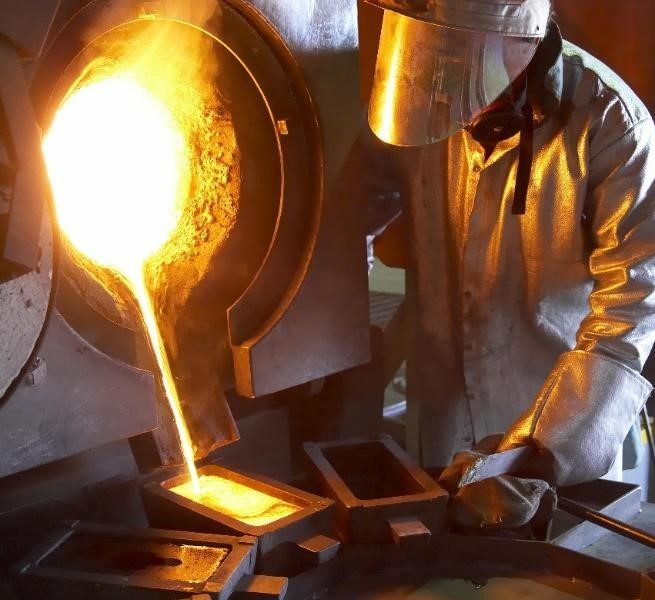
Congo gold refineries play a crucial role in transforming raw or semi-processed gold from mining operations into high-purity bullion suitable for international markets.
These facilities purify gold to standards like 99.99%, 24K gold, issue assay certificates, and prepare it for export, contributing to formal economic channels amid a sector historically dominated by artisanal and small-scale mining (ASM).
This comprehensive guide explores the landscape of gold refineries in DR Congo, the refining process, key regulations, responsible sourcing practices, export trends, challenges, and more.
The DRC’s gold industry is evolving toward greater formalization, with efforts to build local refining capacity to capture more value domestically.
What Do Congo Gold Refineries Do?
Congo gold refineries process dore bars or raw gold from mines, removing impurities such as silver, copper, and other metals to produce pure gold bars or ingots. Key functions include:
- Receiving and assaying incoming gold material to determine purity and value.
- Smelting to melt and separate initial impurities.
- Chemical or electrolytic refining to achieve high purity levels (typically 99.9%+).
- Casting into standardized bars (e.g., 1kg, 400oz Good Delivery bars where applicable).
- Issuing certificates of assay and origin for compliance and traceability.
- Preparing for secure export.
These steps ensure the gold meets international buyer requirements, reducing risks in the supply chain.

Key Gold Mining Regions in DR Congo
Gold production in the DRC is predominantly artisanal, with major activity in eastern provinces. Refineries source from these areas:
- Ituri Province — A significant gold hub in the northeast, known for alluvial deposits and large-scale operations like the Kibali mine (operated by Barrick Gold and partners), one of Africa’s largest gold mines.
- South Kivu — Home to artisanal sites and trading hubs like Bukavu; efforts have focused on formalizing supply chains here.
- North Kivu — Rich in gold alongside other minerals like coltan; faces security challenges but contributes substantially.
- Maniema — Features artisanal mining and part of the broader eastern gold belt.
These regions supply much of the raw material to local refineries or export points, though a large portion of ASM gold has historically been smuggled regionally.
Legal Requirements for Gold Refineries in DR Congo
Operating a gold refinery in DR Congo requires compliance with the Ministry of Mines under the 2018 Mining Code revisions. Key regulations include:
- Obtaining a refining license from the Ministry of Mines.
- Securing export permits through the Centre d’Expertise, d’Évaluation et de Certification (CEEC).
- Providing certificates of origin to verify source.
- Conducting assay testing and issuing purity certificates.
- Paying applicable taxes, royalties, and fees.
- Adhering to environmental and labor standards.
International compliance is mandatory for exports, including alignment with regional mechanisms like the International Conference on the Great Lakes Region (ICGLR) certification.
Responsible Sourcing & International Compliance
Responsible gold sourcing in the DRC emphasizes avoiding conflict financing, human rights abuses, and environmental harm. The OECD Due Diligence Guidance for Responsible Supply Chains of Minerals from Conflict-Affected and High-Risk Areas is the global benchmark, requiring companies to assess risks, trace origins, and mitigate issues.
In the DRC, initiatives promote conflict-free gold through traceability from mine to market. Projects like Just Gold (by IMPACT) have established traceable, legal ASM chains in select areas.
International buyers demand proof of due diligence, especially for conflict-affected zones in the east. Compliance helps access premium markets and avoids sanctions or restrictions.
Gold Export Data and Trends
The DRC’s gold exports have grown, though much remains informal. Official production reached around 44,000 kg in 2023, with industrial mines like Kibali contributing the bulk. Artisanal exports via formal channels (e.g., through state-linked traders like DRC Gold Trading, formerly Primera Gold) aimed for significant volumes in recent years, targeting billions in revenue.
Major destinations include the UAE, with some to China and others. Trends show increasing formalization efforts, though challenges like smuggling persist. For illustration, here’s a simplified overview based on reported data:
- 2023: Industrial and formal artisanal exports contributed notably, with values in hundreds of millions USD.
- Recent years: Growth in formal channels, but global prices influence volumes.
Exports support government revenues through royalties and taxes.
The Gold Refining Process in Congo
The process in DRC refineries typically follows these steps:
- Mining and Initial Processing — Gold extracted via artisanal panning or industrial methods; concentrated into dore.
- Smelting — Melting ore/concentrate to separate gold from slag.
- Refining — Chemical (aqua regia) or electrolytic methods to remove impurities.
- Assay Testing — Fire assay or spectrometry to verify purity.
- Casting — Pouring into bars.
- Certification and Export Preparation — Documentation for traceability and shipment.
Facilities aim for high precision to meet global standards.
Congo’s Role in the Global Gold Market
The DRC ranks among top African producers, with potential for growth in regional refining. It supplies global demand, particularly via Asia-Africa trade links. Local capacity reduces raw export losses and boosts value addition.
Challenges Facing Congo Gold Refineries
Despite progress, issues include:
- Informal/artisanal dominance leading to smuggling.
- Regulatory enforcement gaps in remote areas.
- Infrastructure limitations (power, transport).
- International scrutiny over conflict links and due diligence.
- Security in eastern provinces affecting operations.
Addressing these through policy and investment is key for sustainable growth.

FAQs about Congo gold refineries
Are there gold refineries in Congo?
Yes, several operate or are developing in the DRC, including in Bukavu (South Kivu), Lubumbashi, and other areas, processing local gold to export standards.
Is Congo gold legal to export?
Yes, when compliant with Ministry of Mines regulations, CEEC certification, and international due diligence.
What is conflict-free gold?
Gold sourced without financing armed groups or human rights abuses, verified through OECD-aligned traceability.
How is gold refined in DR Congo?
Via smelting, chemical/electrolytic purification, assaying, and bar casting.
Where does Congo export gold?
Primarily to the UAE, with emerging formal channels to other markets.
How can buyers verify a refinery?
Check licenses, assay certificates, OECD compliance, and third-party audits.
What are major gold regions in DRC?
Ituri, North Kivu, South Kivu, and Maniema.
Does DRC follow OECD guidelines?
Yes, increasingly, with government and project support for responsible sourcing.
Are there licensed gold refineries in Congo?
Yes, including entities like Congo Gold Raffinerie (with history of regulatory changes), Legacy Gold Refinery, and others focused on ethical processing.
What is the future of Congo gold refineries?
Growing capacity for formal, responsible refining to capture more economic benefits.
If you’re looking to invest in or purchase high-quality, responsibly sourced gold from Africa, Buy Cheap Gold Bars Ltd offers competitive prices on verified gold bars.
Contact us today to secure premium Congolese-origin gold at attractive rates—benefit from direct sourcing, full compliance documentation, and secure transactions for your portfolio. Don’t miss out on this opportunity in one of the world’s richest gold regions!