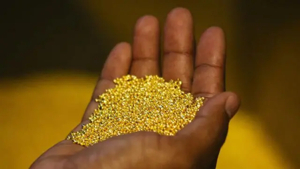
How to Separate Gold Dust from Sand

How to Separate Gold Dust from Sand

How to Separate Gold Dust from Sand: Step-by-Step Top Guide

How to Separate Gold Dust from Sand: Separating gold dust from sand is straightforward thanks to a simple scientific principle: gold is much heavier than sand.

By using gravity-based methods like panning or sluicing with water, you can easily extract the valuable gold particles while the lighter sand washes away. This guide walks you through the safest and most effective techniques.

Gold has a density of about 19.3 g/cm³, while typical river sand (mostly quartz) is around 2.65 g/cm³. When the mixture is agitated in water, the heavier gold dust quickly settles to the bottom, and the lighter sand particles are carried away by the current or swirling motion. No dangerous chemicals are needed—just water, patience, and basic tools.

Principle Behind Gold Separation

The entire process relies on density and gravity. Gold particles, even tiny dust flakes, sink faster in water than sand. Gentle swirling or flowing water removes the sand layer by layer, leaving the gold behind. This natural separation has been used for thousands of years and remains the safest method today.

Common Methods to Separate Gold from Sand

Gold Panning (Most Popular): Gold panning is the simplest and most accessible method for hobbyists and small-scale prospectors. You use a shallow pan and water to create a swirling motion that washes away sand while gold stays in the pan.

Sluicing: A sluice box lets water flow continuously over riffles or mats that trap gold particles. It processes larger volumes of material than panning and is ideal for streams.

Gravity Separation: This broad technique includes shaking tables or simple washing in a tub. The heavier gold settles while sand is washed off. It is often combined with panning for finer cleanup.

These methods are all gravity-based, safe, and widely used worldwide—no mercury, cyanide, or other chemicals required.

Step-by-Step Guide to Separate Gold Dust from Sand

Follow these safe, proven steps for the best results:

  1. Collect the material – Gather sand or gravel from riverbeds, streams, or mining areas where gold is suspected. Use a sieve to remove large rocks first.
  2. Prepare your workspace – Work near clean water (river, stream, or bucket). Fill your gold pan about half full with the sandy mixture.
  3. Add water and break up clumps – Submerge the pan and use your hands to break apart any clay or dirt clumps so gold can settle freely.
  4. Swirl and wash – Tilt the pan slightly and use a gentle circular motion. The water will carry lighter sand over the edge while gold stays at the bottom. Repeat 20–30 times, slowly reducing the material.
  5. Let it settle and inspect – Stop swirling, let everything settle, then carefully pour off the remaining water and top sand layer. Tiny gold flakes or dust will appear as bright yellow specks at the bottom.
  6. Repeat for finer recovery – Transfer any remaining concentrate to a smaller pan or vial and repeat the process until only gold dust remains.
  7. Dry and store – Let the gold dust dry completely before storing in a secure vial.

This process typically takes 10–30 minutes per pan but can recover even microscopic gold dust when done patiently.

Tools Used in Gold Separation

You only need a few inexpensive, safe tools:

  • Gold pan – A 10–14 inch plastic or metal pan with riffles for better trapping.
  • Sluice box – Portable aluminum or plastic box with riffles or special mats.
  • Sieve or classifier – Screens to remove large debris before panning.
  • Bucket or tub – For holding water and material.
  • Small tweezers or snuffer bottle – For picking up fine gold dust.

All these tools are available at prospecting stores or online and require no electricity or chemicals.

Tips for Better Gold Recovery

  • Use clean, flowing water whenever possible—it makes separation faster.
  • Work slowly and patiently; rushing causes gold to wash away.
  • Repeat the process 2–3 times on the same material for maximum recovery of fine dust.
  • Pan in direct sunlight so the shiny gold is easier to spot.
  • Classify your material first—remove pebbles and gravel to focus on sand-sized particles.
  • Practice with “fool’s gold” (pyrite) to learn the motion before heading to real streams.

Where This Method Is Used

These gravity methods work best in rivers, streams, and creeks where gold has been naturally concentrated by water flow. Popular locations include historic mining areas in the United States, Canada, Australia, and many African rivers. Hobbyists and small miners use them daily in remote streams and backyard test pans.

Mistakes to Avoid

  • Rushing the swirl—fast motions wash away fine gold dust.
  • Using too much force when tilting the pan—gold can spill out.
  • Working with dirty or muddy water—it hides the gold.
  • Giving up too early—fine gold requires multiple passes.
  • Forgetting to check the black sand concentrate—tiny gold often hides there.

Safety & Legal Considerations

Always prioritize safety and legality:

  • Obtain any required permits or licenses for your area—mining laws vary by country and region.
  • Never use mercury, acids, or other chemicals; stick to water and gravity.
  • Wear gloves and eye protection to avoid splashes.
  • Work with a partner near water for safety.
  • Respect the environment—fill holes, avoid disturbing wildlife, and leave the area cleaner than you found it.

Responsible prospecting keeps this hobby safe and sustainable for everyone.

FAQs –How to Separate Gold Dust from Sand

Can you separate gold from sand using water?

Yes! Water and gravity are all you need. The heavier gold sinks while sand washes away.

What is the easiest way to separate gold dust?

Gold panning is the simplest and most popular method for beginners. It requires only a pan and water.

Does gold sink in water?

Yes. Gold is over seven times denser than sand, so it sinks quickly even in tiny dust form.

Can you use magnets to separate gold?

No. Gold is not magnetic. Magnets only remove iron-rich black sand, not the gold itself.

How fine can gold dust be recovered?

With careful panning and a good sluice mat, even flour-fine gold (smaller than a grain of sand) can be recovered safely.

Is gold panning legal everywhere?

No—always check local regulations. Many public lands allow recreational panning with limits.

Ready to Own Real Gold?

If you’ve enjoyed learning how to separate gold dust from sand and now want to add genuine gold to your collection or investment portfolio, there’s no better place than the rich mining regions of the Democratic Republic of Congo.

At Buy Cheap Gold Bars Ltd, we source authentic gold dust and bars directly from trusted local miners using the very same safe, traditional gravity methods you just read about.

We offer competitive wholesale prices, full transparency, secure shipping, and certified purity testing—so you get real value without middlemen markups.

Whether you want small quantities of beautiful gold dust for jewelry or larger gold bars for investment, our team makes the process simple, safe, and affordable.

Contact Buy Cheap Gold Bars Ltd today and start owning tangible, beautiful gold straight from the source. Your next valuable piece is just one message away—let’s make your gold dreams a reality!