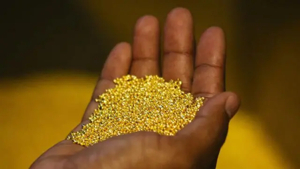
Gold Price Per Gram

Gold Price Per Gram

The Current Gold Price Per Gram: A Comprehensive Analysis as of October 30, 2025

Introduction to Gold as a Timeless Asset

Gold has captivated humanity for millennia, serving as currency, jewelry, and a store of value. Unlike fiat currencies subject to inflation, gold’s intrinsic worth stems from its scarcity, durability, and universal appeal. Today, on October 30, 2025, the spot price of gold stands at approximately $127.80 per gram for 24-karat (pure) gold, reflecting a slight daily dip of 0.64% from the previous close of $128.65 per gram. This equates to about $3,974.90 per troy ounce, the standard unit in global markets, where one troy ounce contains 31.1034768 grams. For context, this price marks a robust 43.89% increase year-over-year, underscoring gold’s resilience amid economic turbulence. But what drives this price, and why does it matter? This exploration delves into the mechanics of gold pricing, historical context, influencing factors, global implications, and future outlook, providing a holistic view of why gold per gram remains a barometer for financial health.

To understand today’s $127.80 per gram, consider the pricing ecosystem. Gold is traded 24/7 on spot markets like the London Bullion Market Association (LBMA), where the “fix” occurs twice daily at 10:30 a.m. and 3:00 p.m. GMT. Prices fluctuate in real-time based on supply-demand dynamics, quoted in U.S. dollars per troy ounce before conversion to grams (divide by 31.1035). Retail prices, such as those for jewelry or coins, add premiums of 3-10% for fabrication, distribution, and purity certification. In the U.S., for instance, 22-karat gold (91.67% pure) trades at around $124.50 per gram, while 18-karat (75% pure) is $101.90 per gram, adjusting for alloy content. These variations highlight gold’s versatility: pure for investment bars, alloyed for adornment. As we unpack this, the price isn’t just a number—it’s a snapshot of global anxieties and aspirations.

Historical Trajectory: From Ancient Mines to Modern Peaks

Gold’s price journey mirrors human progress and peril. In ancient Egypt around 3000 BCE, gold was valued at 1:13 against silver, used in pharaohs’ tombs as an eternal emblem. Fast-forward to the 19th-century California Gold Rush, where nuggets fetched $20 per ounce—equivalent to about $700 today, adjusted for inflation. The 20th century saw gold’s formalization under the Bretton Woods system, pegged at $35 per ounce until 1971, when Nixon’s shock ended convertibility, unleashing free-market volatility.

The 21st century has been gold’s renaissance. Post-2008 financial crisis, prices surged from $800 per ounce in 2007 to $1,900 by 2011, driven by quantitative easing and sovereign debt fears. A lull followed, dipping to $1,050 in 2015 amid stock market booms. Yet, 2020’s COVID-19 pandemic propelled gold to $2,075 per ounce, a 25% annual gain, as central banks printed trillions and investors sought safe havens. By 2022, inflation peaked at 9.1% in the U.S., pushing gold above $2,000 again.

Entering 2025, the narrative intensified. The year began with gold at $3,282.39 per ounce on average, but geopolitical flares—escalating U.S.-China trade tariffs and Middle East conflicts—ignited a rally. April 22 marked an all-time high of $3,500.20 per ounce ($112.42 per gram), as investors fled tariff-induced sell-offs in equities. By October 20, prices hit $4,371.78 per ounce, fueled by Federal Reserve rate cut expectations and China’s aggressive gold stockpiling. Today’s $127.80 per gram reflects a consolidation phase, down 0.54% daily but up 2.26% monthly. This volatility isn’t chaos; it’s gold’s role as a hedge. Over five years, gold has outperformed bonds by 150%, rewarding patient holders. Historical charts reveal cycles: bull markets last 5-10 years, often aligning with recessions. In grams, this means a 10-gram bracelet bought in 2020 for $600 now costs $1,278—a 113% appreciation, outpacing many assets.

Factors Shaping Today’s Price

What keeps the gold price per gram at $127.80 today? It’s a symphony of macroeconomic, geopolitical, and supply-side forces. First, inflation and interest rates: Gold thrives when real yields (interest minus inflation) turn negative. With U.S. CPI at 3.2% in September 2025 and Fed funds at 4.25% post-cuts, real yields hover near zero, eroding cash’s appeal. A 1% rate drop historically boosts gold by 8-10%. Central banks amplify this; the People’s Bank of China added 225 tons in Q3 2025 alone, up 15% year-over-year, as de-dollarization gains traction. Russia’s 2022 sanctions shifted reserves to gold, now 25% of its holdings.

Geopolitics adds fuel. Ongoing Ukraine stalemates and Israel-Hamas escalations since 2023 have spiked “fear premiums,” with gold correlating 0.7 to the VIX volatility index. Trade wars, intensified by U.S. tariffs at 60% on Chinese imports, disrupt supply chains, pushing investors toward gold’s apolitical allure. The U.S. dollar’s strength matters too: As the greenback weakens (DXY index down 5% in 2025), gold rises inversely, since it’s dollar-denominated.

Supply constraints tighten the noose. Annual mine production hovers at 3,000 tons, flat since 2018 due to depleting reserves and ESG regulations curbing new projects in Peru and South Africa. Recycling supplies 1,200 tons, but jewelry demand—India and China consume 50%—absorbs it. Central banks bought 1,037 tons in 2024, projected at 900 tons for 2025. Speculation via ETFs like GLD holds 3 million ounces, amplifying swings. Environmentally, artisanal mining in Africa, producing 20% of supply, faces scrutiny, potentially hiking costs. These factors interplay: A weak dollar plus war fears could propel prices higher, but robust U.S. GDP growth (2.8% Q3) caps gains.

Global and Cultural Dimensions

Gold’s price per gram resonates differently worldwide. In the U.S., it’s an investment play, with retail via APMEX or JM Bullion adding $5-10 premiums per gram. Europe sees VAT at 19% in Germany, inflating costs. But in Asia, gold is cultural currency. India’s Diwali festival in November drives 20% annual demand spikes, with 22-karat at ₹10,500 per gram ($125 equivalent). China, the top producer (370 tons yearly), views gold as yuan bolstering, with Shanghai Gold Exchange volumes up 30%. The Middle East ties gold to weddings and remittances; Dubai’s souks trade at $129 per gram, premium for craftsmanship.

Sustainability enters the fray. Blockchain-traced “responsible gold” from mines like Canada’s Agnico Eagle commands 2% premiums, appealing to millennial investors. Women, holding 40% of global gold via jewelry, empower economies in Ghana’s informal sector. Yet, challenges loom: Illicit trade funds conflicts, per UN reports, while climate change threatens Andean mines. Today’s price reflects this mosaic—$127.80 per gram isn’t isolated; it’s woven into 2.5 billion consumers’ lives.

Investment Strategies and Practical Advice

For investors eyeing $127.80 per gram, options abound. Physical gold—bars from 1 gram ($130 with premium) to 1 kg ($128,000)—offers tangibility but storage risks (safes cost $500 yearly). Coins like American Eagles add collectible value. ETFs provide liquidity, with SPDR Gold Shares tracking spot minus 0.4% fees. Futures on COMEX allow leverage, but volatility bites: A 5% daily swing equals $6.39 per gram.

Diversify: Allocate 5-10% to gold in portfolios, per Ray Dalio’s All-Weather strategy, balancing stocks (60%), bonds (40%). Tax-wise, U.S. long-term gains on physical gold are 28%, versus 20% for ETFs. Buy low during dips, like today’s, but dollar-cost average to mitigate timing errors. Women in India often gift gold, yielding 8% compounded returns over decades. Risks? Opportunity cost in bull markets—gold lagged S&P 500’s 15% 2024 gain. Counterfeits plague markets; assay for purity.

Future Outlook: Projections and Uncertainties

Peering ahead, forecasts vary. LongForecast predicts October 2025 averaging $128.19 per gram, climbing to $141.40 highs, then $222 by 2028 amid inflation persistence. Bullish drivers: Fed cuts to 3% by 2026, BRICS gold-backed currency talks, and AI-driven mining efficiencies boosting supply modestly. Bearish: Recession delays or crypto rivalry—Bitcoin hit $150,000, siphoning “digital gold” flows.

By 2030, prices could reach $200 per gram if inflation averages 3%, per World Gold Council models. Climate-resilient mining and lab-grown alternatives (e.g., MIT’s molecular gold) may cap gains. Yet, gold’s 5,000-year track record endures: In crises, it preserves wealth. As 2025 closes, watch November’s U.S. elections and OPEC cuts for cues.

Conclusion: Gold’s Enduring Glow

At $127.80 per gram on October 30, 2025, gold embodies stability in flux. From historical booms to today’s hedges against tariffs and turmoil, it’s more than metal—it’s a narrative of resilience. Whether stacking grams for retirement or crafting heirlooms, understanding its price unlocks empowerment. In a world of pixels and policies, gold grounds us, its luster undimmed. (Word count: