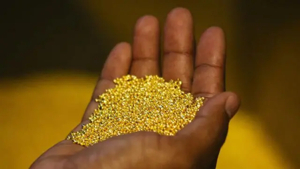
gold refineries in Africa

gold refineries in Africa

Complete list of major gold refineries in Africa

Gold refineries in Africa: Africa hosts several gold refineries that process locally mined gold into high-purity bullion ready for export or domestic use.

These facilities play a crucial role in the continent’s gold value chain, adding value to raw materials, ensuring purity and certification for international markets, creating jobs, and reducing reliance on exporting unrefined ore.

As of 2026, Africa has seen significant growth in refining infrastructure, with over 14 countries now hosting formal refineries. This shift supports economic development amid rising global gold demand.

In this comprehensive guide, we provide a complete list of major gold refineries in Africa, organized by country and region, including details on location, capacity (where available), certifications, and key notes.

We also cover the broader context of gold refining, why it matters, certification standards, market trends, and more.

What Is a Gold Refinery?

A gold refinery processes raw gold—such as doré bars (semi-pure gold from mines, typically 60-90% gold mixed with silver, copper, and other impurities), scrap gold, or recycled materials—into high-purity gold bullion, usually 99.99% (four nines) fine. The process involves:

  • Smelting and melting to separate metals.
  • Chemical refining (e.g., using aqua regia or electrolysis) to remove impurities.
  • Assaying to verify purity.
  • Casting into bars, ingots, or coins.

Refineries issue certificates of purity and often comply with global standards for trading on international markets. This transforms raw gold into a standardized, tradable commodity.

Why Gold Refineries Matter in Africa

Africa produces a substantial portion of the world’s gold—around 700 tonnes annually in recent estimates, or nearly 20% of global output. Key producers include Ghana (record 187 tonnes or 6 million ounces in 2025), Burkina Faso (94 tonnes), Mali, South Africa, Tanzania, and others.

Historically, much African gold was exported raw for refining abroad (e.g., in Switzerland or India), limiting value addition, jobs, and revenue retention.

Modern refineries enable:

  • Value addition — Keeping more economic benefits onshore through processing.
  • Job creation — Skilled employment in refining, assaying, and logistics.
  • Compliance and transparency — Meeting international standards to combat illicit trade and support responsible sourcing.
  • Economic impact — Reducing raw exports, boosting forex reserves, and integrating into national economies.

With new facilities in East and West Africa, the continent is building capacity to refine a larger share domestically.

Major Gold Refineries in Africa by Country

Africa’s refineries vary from large-scale, LBMA-accredited operations to emerging regional players. Here’s an organized list based on verified and recent data.

South Africa (Southern Africa)

South Africa remains Africa’s refining leader, with the only LBMA Good Delivery-accredited refinery on the continent.

  • Rand Refinery (Rand Refinery Ltd)
    Location: Germiston, near Johannesburg.
    Year established: 1920.
    Capacity: 450–600 tonnes annually (one of the world’s largest single-site facilities).
    Certification: LBMA Good Delivery (and LBMA referee status—one of five globally).
    Notes: Processes gold from South African mines and imports from across Africa. It has refined over 50,000 tonnes historically. In recent years, it partnered with Ghana’s Gold Coast Refinery for technical support and responsible sourcing from artisanal miners. Owned by major miners like AngloGold Ashanti and Sibanye-Stillwater.

Other mentions include smaller or secondary processors, but Rand dominates.

Congo gold refineries

Ghana (West Africa)

Ghana, Africa’s top producer, has invested heavily in local refining to capture more value.

  • Gold Coast Refinery Ltd
    Location: Accra region.
    Capacity: Up to 480 kg per day (~150+ tonnes annually).
    Certification: Aims for LBMA; complies with international standards; partnered with Rand Refinery.
    Notes: First state-of-the-art refinery in West Africa; processes domestic and regional gold.
  • Royal Ghana Gold Refinery (or similar state-backed projects)
    Notes: Commissioned in recent years as part of efforts to refine locally.

Additional licensed entities include Aureate Mineral Refinery Ltd, Gold Crest Refinery, and others focused on export and processing.

Uganda (East Africa)

Uganda has emerged as a key East African hub.

  • African Gold Refinery (AGR)
    Location: Entebbe/Kampala area.
    Year established: 2014.
    Capacity: Up to 219 tonnes annually.
    Certification: Uses fire assay methods; focuses on high-purity output.
    Notes: Second-largest in Africa by some accounts; processes regional gold but has faced scrutiny over sourcing.

Other notable: Euro Gold Refinery, Bullion Refinery Limited, Global Gold Refinery Ltd.

Tanzania (East Africa)

Tanzania supports growing refining to complement its production.

  • Geita Gold Refinery (GGR)
    Location: Geita/Mwanza area.
    Capacity: ~440 kg/day (government-backed).
    Notes: Launched around 2021; processes artisanal and large-scale output.
  • Mwanza Precious Metals Refinery (Stamico-partnered)
    Capacity: Up to 480 kg/day.
    Notes: Faced raw material shortages in 2025 but operational.

Other Countries

  • Kenya: Facilities like Kenya Gold Refinery Ltd in Nairobi; supports regional trade but smaller scale.
  • Rwanda: State-backed refinery in Kigali Special Economic Zone; capacity ~6 tonnes/month.
  • Sudan: Sudan Gold Refinery in Khartoum; large in Northeast Africa.
  • Morocco, Ethiopia, others: Emerging or smaller processing; e.g., Société Métallurgique d’Imiter (Morocco) for related metals; limited dedicated gold refineries.

Comparison Table of Major Gold Refineries in Africa

Refinery

Country

Capacity (approx.)

Certification

Notes

Rand Refinery

South Africa

450–600 tonnes/year

LBMA Good Delivery

Largest in Africa; global referee

African Gold Refinery

Uganda

219 tonnes/year

High-purity standards

Key East African hub

Gold Coast Refinery

Ghana

480 kg/day (~150+ tonnes/year)

Pursuing LBMA; Rand partnership

West Africa’s leading

Geita Gold Refinery

Tanzania

440 kg/day

Government-backed

Supports artisanal miners

Mwanza Precious Metals

Tanzania

480 kg/day

International standards

Operational challenges with supply

Certification & Compliance Standards

Trust is vital in gold trading. Key standards include:

  • LBMA Good Delivery: Ensures bars meet purity, weight, and marking rules for London market trading. Rand Refinery is Africa’s only accredited one.
  • ISO standards: For quality management.
  • Responsible sourcing: OECD Due Diligence Guidance to avoid conflict gold.
  • Local oversight: National regulations ensure traceability.

Certifications build E-E-A-T (Experience, Expertise, Authoritativeness, Trustworthiness) and enable international exports.

Gold Market Context in Africa

Africa’s gold production exceeds 700 tonnes/year, with Ghana leading at record levels (~187 tonnes in 2025). Much is still refined abroad, but local capacity grows. Trends include state investments, partnerships (e.g., Rand-Ghana), and focus on artisanal integration. High gold prices drive expansion, but challenges remain: illicit trade, supply shortages, and regulatory changes.

FAQ about gold refineries in Africa

What are the major gold refineries in Africa?

Key ones include Rand Refinery (South Africa), African Gold Refinery (Uganda), Gold Coast Refinery (Ghana), and Geita/Mwanza (Tanzania).

Which is the largest gold refinery in Africa?

Rand Refinery in South Africa, with 450–600 tonnes annual capacity and LBMA status.

Do African gold refineries export internationally?

Yes, especially LBMA-accredited ones; they produce bullion for global markets.

What certification standards do gold refineries follow?

LBMA Good Delivery, ISO, responsible sourcing per OECD guidelines.

Can individuals sell gold to refineries in Africa?

Yes, many accept scrap or mined gold from licensed sources, with assaying and payment.

Is Rand Refinery the only one with LBMA status?

Yes, as of 2026; others pursue it.

How many gold refineries does Africa have?

Over 14 countries host formal ones, with dozens of facilities (many smaller or emerging).

This guide draws from industry reports, LBMA data, and recent developments for accuracy. For the latest, consult official sources. Gold refining evolves rapidly—stay informed!