
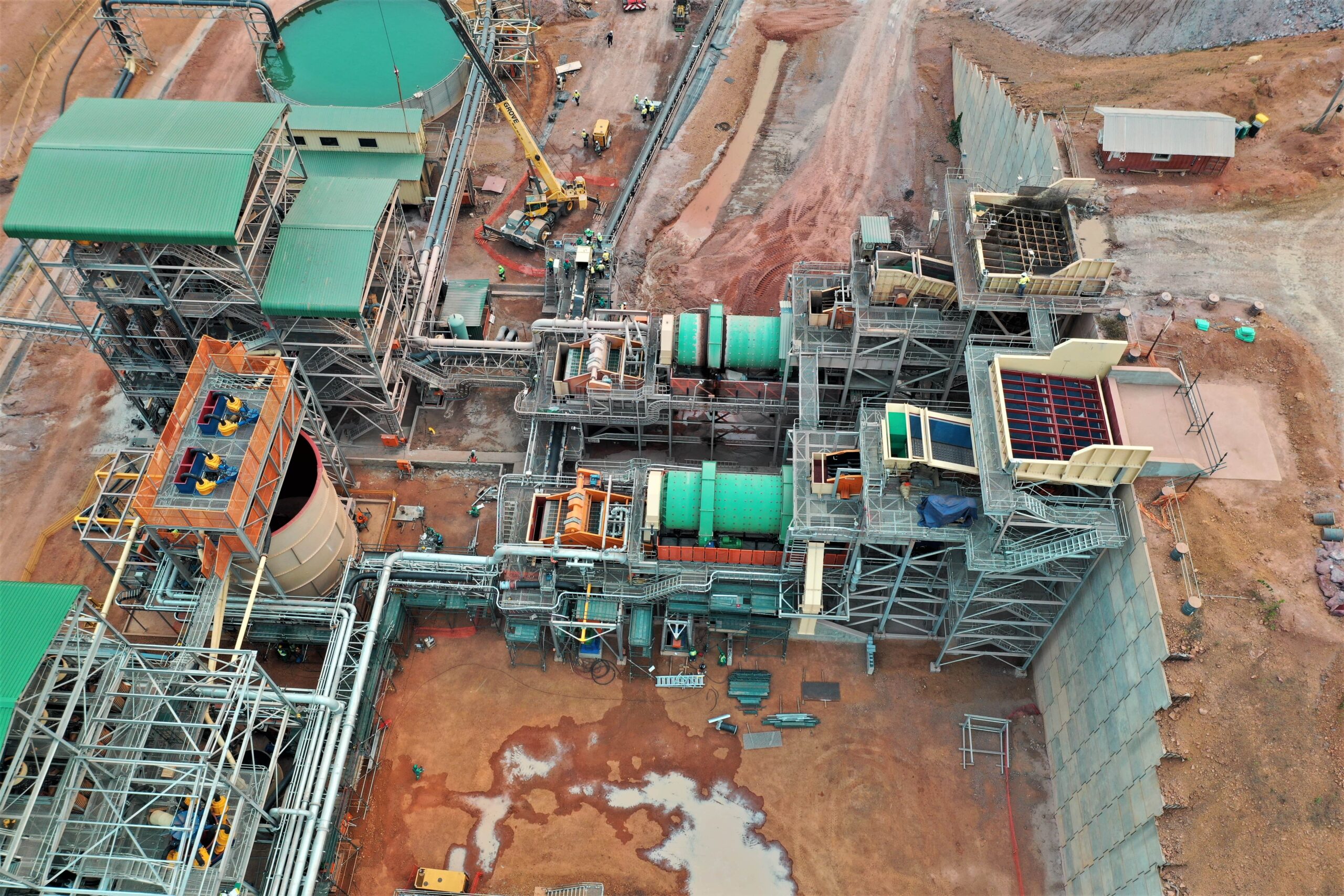
Gold Refineries in Sierra Leone: Trusted Companies & Industry Guide
Gold Refineries in Sierra Leone: Sierra Leone is rapidly emerging as a promising gold hub in West Africa. With rich alluvial and hard-rock deposits, the country’s gold sector is transitioning from purely artisanal roots to a more structured, export-oriented industry.
While large-scale refining facilities remain limited compared to South Africa or Ghana, local smelting and dore-bar production are growing steadily.
Artisanal and small-scale miners produce an estimated 2–3 tonnes of gold annually, much of it processed into export-ready bars through licensed operations in Freetown and mining districts.
Gold dealers and exporters handle sourcing, smelting, assaying, and international shipment — creating real opportunities for foreign investors seeking ethical supply chains and direct partnerships.
For U.S. and European buyers, Sierra Leone offers competitive pricing, rising formalization, and government-backed transparency initiatives.
This guide covers trusted gold refineries in Sierra Leone, the refining process, legal requirements, risks, and investment potential — helping serious investors navigate a high-reward market safely.
List of Gold Refineries in Sierra Leone
In Sierra Leone, “refineries” typically combine mining, smelting, certification, and export under one roof. Two standout operations stand out for reliability and modern capabilities.
1. Sky Minerals Limited
Based in Kenema with operations across Sierra Leone, Guinea, and Liberia, Sky Minerals Limited is a licensed one-stop gold company offering full-cycle services: mining, processing, smelting, assaying, certification, storage, and export.
They use environmentally friendly induction-furnace technology to smelt raw gold into grain or bars of various purity levels (up to 99%+). Clients receive detailed documentation for international compliance.
Sky Minerals markets directly to global buyers and emphasizes transparent pricing based on the London fix. Their facilities support both small artisanal lots and larger volumes, making them ideal for investors seeking scalable supply.
2. Golden Dore
Headquartered in Goderich, Freetown (105 Peninsula Road), Golden Dore specializes in sourcing high-quality raw gold directly from verified local miners and artisanal sites. They smelt raw material into premium 23K dore bars using controlled processes, then facilitate export to international buyers and institutional investors.
The company focuses on discreet, efficient channels and provides full traceability documentation. Golden Dore also offers advisory services for market entry and joint ventures — a key advantage for U.S. and European partners looking to secure long-term offtake agreements.
These companies exemplify the typical Sierra Leone model: integrated mining-smelting-export operations rather than standalone mega-refineries.
Additional licensed exporters appear on the Sierra Leone Investment and Export Promotion Agency (SLIEPA) directory, but Sky Minerals and Golden Dore consistently rank among the most professional for foreign buyers.
Industry Structure in Sierra Leone
Artisanal and small-scale mining (ASM) dominates gold production in Sierra Leone, employing roughly 80,000 miners across greenstone belts. Most gold is recovered through panning, sluicing, or shallow pits rather than industrial open-pit methods. Refining occurs at small-to-medium scale: raw gold dust or nuggets are smelted into dore bars (typically 23K) before export.
Final high-purity refining (99.99%) usually happens overseas in Dubai, Switzerland, or Europe — a structure that keeps costs low for producers while creating export revenue for the country.
The Sierra Leone Gold Dealers & Exporters Association (SLGDEA), launched in late 2024, plays a vital role in promoting transparency, ethical sourcing, and compliance with international standards.
Members commit to proper licensing, fair pricing, and anti-smuggling measures — giving foreign investors confidence when dealing with association-affiliated companies like Sky Minerals and Golden Dore.
Official gold exports remain modest due to historical under-reporting and smuggling, but new large-scale projects (e.g., Baomahun) and stronger governance are changing the landscape.
Gold Refining Process in Sierra Leone
The process is straightforward yet requires licensed facilities for legality and quality:
- Sourcing — Licensed dealers purchase raw gold (dust, nuggets, or concentrates) directly from artisanal miners in Kono, Kenema, and other districts.
- Smelting — Raw material is melted in induction or traditional furnaces to remove impurities and cast into dore bars (usually 90–95% purity initially, upgraded to 23K). Sky Minerals and Golden Dore excel here with controlled temperature and flux techniques.
- Purification & Assay — The Government Gold & Diamond Office (GGDO) performs independent assay using specific gravity and acid tests. Purity is verified against the London fix price.
- Bar Production & Certification — Final dore or higher-purity bars are weighed, photographed, sealed, and issued official export certificates signed by the Minister of Mines.
- Export — Bars are packed and shipped via Freetown International Airport after payment of export duty.
This efficient chain allows quick turnaround while meeting international buyer standards. U.S. and European refiners often prefer Sierra Leone dore for its traceability potential under new ESG requirements.
Where Gold Refineries Are Located
Operations cluster in two zones for logistical efficiency:
- Freetown — Home to Golden Dore’s headquarters, GGDO assay offices, major exporters, and international shipping links. Most documentation and final export processing happens here.
- Mining Regions — Kenema (Sky Minerals base), Kono, Bo, Tonkolili, and Koinadugu host on-site smelting facilities closer to artisanal pits. This reduces transport risks and allows real-time quality control.
Many companies maintain offices in both Freetown and mining districts, enabling seamless sourcing-to-export workflows.
How to Choose a Reliable Gold Refinery
U.S. and European investors rightly worry about scams in African gold trade. Follow these non-negotiable steps:
- Verify Licensing — Confirm active NMA Exporter’s License and GGDO registration. Request copies and cross-check via the National Minerals Agency or SLIEPA directory.
- Demand Proper Documentation — Every transaction must include GGDO assay certificate, export permit, Minister-signed gold certificate, and chain-of-custody records.
- Insist on Transparent Pricing — Pricing must reference the daily London gold fix minus agreed refining/export fees — never “secret discounts.”
- Visit or Use Third-Party Inspection — Reputable firms like Sky Minerals and Golden Dore welcome site visits and independent assayers.
- Check SLGDEA Membership — Association members adhere to higher ethical standards.
- Use Escrow or Bank-to-Bank Payment — Never pay cash or advance large sums without verified product.
These safeguards have protected countless international buyers and are essential for long-term partnerships.
Legal & Export Requirements
Gold export is strictly regulated under the Mines and Minerals Act (amended) and overseen by the National Minerals Agency (NMA) and GGDO.
Key requirements:
- Valid Exporter’s License (issued by the Minister; annual fees apply).
- 24-hour advance notice to GGDO for assay.
- Full valuation using London fix + 3–5% export duty.
- Minister-signed export certificate for every shipment.
- Export only through Freetown International Airport with Customs clearance.
Foreign investors can participate as buyers or joint-venture partners but must work through licensed Sierra Leonean entities. Direct foreign export licenses are possible with local registration and 30% Sierra Leonean ownership in some cases.
Compliance is straightforward once procedures are followed — and GGDO certification satisfies most international banks and refiners.
Risks in the Gold Industry
The primary risk is fraud: fake gold, unlicensed sellers, and “cheap gold” offers targeting overseas investors. The NMA regularly issues scam alerts about forged documents and non-existent shipments.
Other risks include: supply inconsistency from artisanal sources, regulatory changes, and occasional security concerns in remote areas.
Mitigation is simple: deal only with NMA-licensed, SLGDEA-affiliated companies; use independent assayers; and conduct due diligence. Sky Minerals and Golden Dore have clean track records precisely because they prioritize transparency.
Investment Opportunities in Sierra Leone Gold
Sierra Leone’s gold sector offers compelling opportunities for U.S. and European investors:
- Direct Of-take Agreements — Secure steady dore supply from Sky Minerals or Golden Dore at competitive prices with full traceability.
- Joint Ventures — Partner with licensed miners to scale operations and access larger volumes.
- Export & Refining Chains — Buy dore, refine overseas, and capture margin while supporting ethical ASM formalization.
- Large-Scale Upside — Projects like Baomahun are bringing industrial production online, creating new refining demand.
With rising global gold prices and increasing ESG focus, Sierra Leone positions itself as an ethical, under-supplied alternative to traditional sources. Returns can be attractive when structured correctly through verified channels.
FAQs about Gold Refineries in Sierra Leone
Are there gold refineries in Sierra Leone?
Yes — primarily integrated smelting and export operations like Sky Minerals Limited and Golden Dore that produce high-quality dore bars for international markets.
Where are gold refineries located in Sierra Leone?
Main hubs are Freetown (for export and certification) and mining districts including Kenema, Kono, Bo, and Tonkolili (for on-site smelting).
Is gold refining legal in Sierra Leone?
Absolutely — when conducted by NMA-licensed exporters and certified through the GGDO. All exports require official documentation and duty payment.
How can I verify a gold refinery?
Request current NMA exporter license, GGDO registration, recent export certificates, and SLGDEA membership. Site visits and independent assays are standard with reputable firms.
Can foreigners buy gold in Sierra Leone?
Yes — through licensed dealers and exporters. Foreign buyers must follow GGDO procedures and use bank-to-bank payments for security. Many U.S. and European investors successfully secure supply this way.
Additional Question: What purity levels are typical?
Most production is 23K dore bars, with final refining often completed overseas to 99.99%.
Sierra Leone’s gold industry is maturing rapidly, offering genuine opportunities for informed investors. By working exclusively with licensed, transparent companies like Sky Minerals Limited and Golden Dore — and following official GGDO and NMA protocols — U.S. and European buyers can access reliable supply chains while contributing to ethical development.
Always verify current licenses directly with the National Minerals Agency and consider engaging local legal counsel for first transactions.
With proper due diligence, gold refineries in Sierra Leone represent a strategic entry point into one of Africa’s most promising emerging gold markets.