
Gold Refineries in South Africa: Top Companies, & Services
Gold Refineries in South Africa: South Africa stands as a powerhouse in the global gold industry, boasting some of the world’s most advanced gold refineries that transform raw gold into high-purity bullion for international markets.
These facilities play a critical role in processing doré (unrefined gold) from mines across Africa and beyond, removing impurities to produce investment-grade bars and other products.
With a rich mining heritage, South Africa has refined vast quantities of gold historically, and facilities like Rand Refinery continue to serve as key hubs.
Gold refineries in South Africa handle everything from smelting to final assaying, ensuring compliance with strict international standards. This guide explores the South Africa gold refinery landscape, major players, the refining process, costs, legal aspects, and practical advice for miners, investors, and traders seeking reliable gold refinery services.
Whether you need to know where to refine gold in South Africa or the details of gold refining companies South Africa, this comprehensive overview delivers actionable insights.
What Is a Gold Refinery?
A gold refinery is an industrial facility dedicated to purifying raw or scrap gold by removing impurities such as silver, copper, zinc, and other base metals. The goal is to achieve high levels of purity suitable for bullion, jewelry, electronics, or investment purposes.
What is gold refining? It involves chemical and physical processes that separate gold from other materials. Raw gold, often in the form of doré bars (typically 70-90% pure), undergoes treatment to reach commercial standards.
Refined gold is commonly produced as bars or granules in 22K gold (about 91.6% pure) or 24K gold (99.9%+ pure) forms. 24K represents nearly pure gold, while lower karats include alloys for durability in jewelry.
Refineries convert mine output or recycled material into standardized products like London Good Delivery bars (approximately 400 oz, minimum 99.5% purity).
This process adds significant value, enabling global trade and supporting South Africa’s position as a major gold producer and processor.
Top Gold Refineries in South Africa
South Africa hosts several reputable top gold refineries, with one dominating the sector due to its scale and history.
Rand Refinery
Location: Germiston, Gauteng (about 15-16 km east of Johannesburg, near O.R. Tambo International Airport).
Established in 1920 by the Chamber of Mines of South Africa, Rand Refinery is the world’s largest integrated single-site precious metals refining and smelting complex. It was created to refine South African gold domestically instead of shipping it to London.
Services: Full-spectrum gold and silver refining, smelting, assaying, and production of London Good Delivery 400 oz bars, smaller bars, granules, and value-added products. It also handles platinum group metals to some extent. Annual gold refining capacity exceeds 600 tonnes. The facility features advanced automation for bar casting.
Reputation: LBMA-accredited since 1921 and one of only five LBMA referees worldwide (the only one in the southern hemisphere). It has refined an estimated 50,000 tonnes of gold—nearly one-third of all gold ever mined globally.
Shareholders include major miners like Sibanye-Stillwater (44% stake in some reports), AngloGold Ashanti, Gold Fields, and others.
It emphasizes responsible sourcing, ethical practices, and traceability through its RandPure mark. No other African refinery produces LBMA Good Delivery gold bars.
Rand Refinery serves as the refining hub for much of Africa’s gold and maintains ISO certifications for quality, environment, and safety.
Other notable operations include smaller or specialized refineries such as MetCon (advanced precious metals refining with a focus on responsible sourcing), Mzansi Refineries (black-owned SMME with modern assaying and minting), Global Gold International Refining, and Gauteng Refinery Services (focusing on gold, silver, and PGMs).
The South African Mint in Pretoria produces the iconic Krugerrand coin using refined gold, often linked to Rand Refinery output. Heraeus South Africa handles precious metals, primarily PGMs, with some gold capabilities.
For most large-scale or export-oriented needs, Rand Refinery remains the go-to choice among gold refining companies South Africa.
Services Offered by Gold Refineries
Gold refinery services in South Africa extend beyond basic purification:
- Gold Refining: Chemical removal of impurities to achieve 99.5% to 99.99%+ purity.
- Assaying (Purity Testing): Precise determination of gold content using fire assay, XRF, or ICP methods. This is essential for fair valuation.
- Smelting: Melting raw materials into doré or homogeneous forms for further processing.
- Bullion Production: Casting into standard bars (e.g., 400 oz Good Delivery, kilo bars, or smaller investment bars) and granules.
- Additional services: Recycling of scrap/jewelry/electronic waste, secure storage, logistics support, and compliance documentation for export.
These services support miners, jewelers, recyclers, and international buyers. Timelines typically range from days to a couple of weeks depending on volume and complexity—insider tip: Batch processing for smaller lots can be faster at accredited facilities with express options.

Gold Refining Process (Step-by-Step)
The gold refining process South Africa follows established metallurgical steps, often combining pyrometallurgical (smelting) and hydrometallurgical (chemical) methods. Here’s a clear breakdown:
Step 1: Collection of Raw Gold
Raw material—doré bars from mines, scrap jewelry, or recycled electronics—arrives at the refinery. It is weighed, logged, and sampled under strict security and chain-of-custody protocols.
Step 2: Smelting
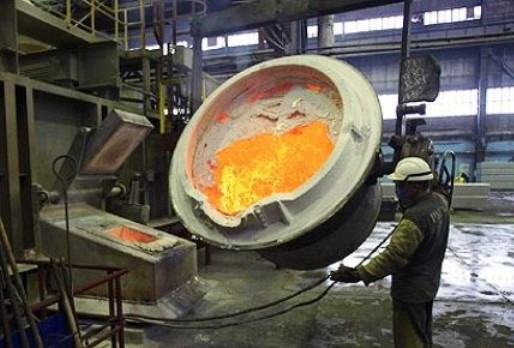
The material is melted in high-temperature furnaces (often with fluxes to aid separation). Impurities form slag that is skimmed off. This produces a more homogeneous alloy.
Step 3: Chemical Refining
Common methods include:
- Miller Process: Chlorine gas is bubbled through molten gold, forming volatile chlorides of impurities that rise as slag. This quickly achieves ~99.5% purity.
- Wohlwill Process (electrolytic): For higher purity (99.99%+), impure gold serves as an anode in a gold chloride/hydrochloric acid electrolyte. Pure gold deposits on the cathode.
Advanced refineries may use aqua regia or other selective dissolution techniques for specific feeds.
Step 4: Purity Testing
Multiple assays verify fineness. Fire assay remains the gold standard for accuracy. Results determine the payable gold content after fees.
Step 5: Final Gold Bars
Molten pure gold is cast into molds for bars or granulated. Bars receive hallmarks (refiner’s mark, fineness, serial number, year). Products are packaged securely for delivery or export.
The entire process emphasizes safety, environmental controls (e.g., emission scrubbing), and traceability. In South Africa, modern facilities incorporate automation to improve efficiency and reduce costs.
Gold Purity & Standards
Purity is measured in karats (K) or fineness (parts per thousand).
- 24K gold: 999 or 999.9 fineness—essentially pure gold (99.9%+). Ideal for bullion investment.
- 22K gold: 916 fineness (22/24 parts gold)—durable for coins like the Krugerrand or jewelry, with copper or silver added for hardness.
International benchmarks include LBMA Good Delivery standards: minimum 99.5% purity for gold bars, with strict rules on weight, dimensions, and marking. LBMA-accredited refiners like Rand Refinery ensure global market acceptance.
Higher purities (99.99% or “four nines”) command premiums for electronics or high-end fabrication. These standards build investor confidence by guaranteeing quality and provenance.
How to Choose a Gold Refinery (Best Gold Refinery South Africa)
Selecting the best gold refinery South Africa requires careful evaluation:
- Certification: Prioritize LBMA accreditation for export readiness and international trust.
- Reputation: Look for long track records, shareholder backing by major miners, and positive industry references. Rand Refinery’s referee status sets a high bar.
- Security: World-class facilities feature armed transport, CCTV, biometric access, and insurance.
- Pricing Transparency: Clear fee structures, no hidden deductions, and detailed settlement reports.
- Capacity & Turnaround: Match your volume to the refinery’s capabilities; larger operations handle bulk efficiently.
- Responsible Sourcing: Compliance with OECD and LBMA guidelines on conflict-free, ethical gold.
Insider tip from the gold business: Visit facilities if possible, request sample assays, and verify logistics partnerships. For African miners, proximity to Johannesburg reduces transport risks.
Costs & Fees (Gold Refining Cost South Africa)
Gold refining cost South Africa varies by volume, material type, and service level. Typical charges include:
- Refining fees: Often $15–$22 per ounce (approximate 2026 estimates), lower for large clean doré lots.
- Assay fees: Fixed or per sample, covering purity testing.
- Treatment charges: For impure or complex feeds (e.g., high silver content).
- Transport/insurance: Secure armored logistics add costs but are essential.
- Deductions: Based on assay results for impurities.
Larger volumes or long-term contracts yield better rates. Always request a detailed quote. Market fluctuations in gold prices indirectly affect net returns. Smaller operators may face higher per-unit fees due to economies of scale at major refineries.
Legal Requirements & Compliance
Operating or using gold refineries in South Africa demands strict adherence to regulations under the Precious Metals Act 2005 and oversight by the South African Diamond and Precious Metals Regulator (SADPMR).
- Refiners need a valid Refining Licence (up to 30 years).
- Possession, melting, or processing of unwrought/semi-fabricated gold requires licensing.
- Records of all transactions, including weights, parties, and prices, must be maintained.
- Environmental impact assessments and safety standards apply.
Non-compliance risks severe penalties, including license revocation.
Gold Export After Refining (Export Refined Gold South Africa)
Refined gold is far easier to export than raw doré. LBMA Good Delivery bars from accredited refineries meet global buyer requirements.
Key steps:
- Obtain assay certificates and certificates of origin.
- Secure export approval from the National Treasury (for unwrought/semi-fabricated gold) and SADPMR permits.
- Comply with exchange control regulations and pay any applicable duties/royalties.
- Use insured, secure logistics for international shipment.
Refined, certified gold commands better prices and smoother customs clearance in markets like Switzerland, Dubai, or Asia. Many African producers route material through South African refineries for this reason.
Risks & Challenges
While reliable, the sector faces hurdles:
- Fraud risks: Misrepresentation of purity or origin—mitigate with accredited assayers.
- Compliance issues: Evolving regulations and responsible sourcing audits.
- Market fluctuations: Gold price volatility affects margins and timing decisions.
- Operational challenges: Energy reliability (load shedding) and declining local mine output, pushing refineries to source from across Africa.
Transparent partners and proper due diligence minimize these risks.
FAQs – gold refineries in South Africa
What is the largest gold refinery in South Africa?
Rand Refinery in Germiston is the largest and most significant, recognized as one of the world’s biggest single-site precious metals refining complexes.
How much does gold refining cost?
Costs typically range from $15–$22 per ounce plus assay and transport fees, depending on volume and material quality. Always obtain a formal quotation.
Can individuals refine gold?
Individuals generally cannot operate industrial refining without licenses. Small-scale scrap can be sent to licensed refineries for processing, but direct refining requires regulatory approval.
How pure is refined gold?
Commercial refined gold reaches 99.5% (LBMA minimum) up to 99.99% or higher, depending on the process and client specifications.
Final Thoughts
Navigating gold refineries in South Africa requires understanding technical processes, regulatory frameworks, and trusted partners. Rand Refinery and other reputable operations provide world-class gold refinery services, ensuring purity, security, and market access.
For miners, traders, or investors seeking reliable sourcing and refining support across Africa, partner with experienced professionals who prioritize ethics, transparency, and efficiency.
Work with trusted gold suppliers in Africa. Contact us at Buy Cheap Gold Bars Limited for expert guidance on refining, bullion acquisition, export, and competitive deals on high-quality gold products. Our team delivers real business insights and seamless solutions tailored to your needs.