
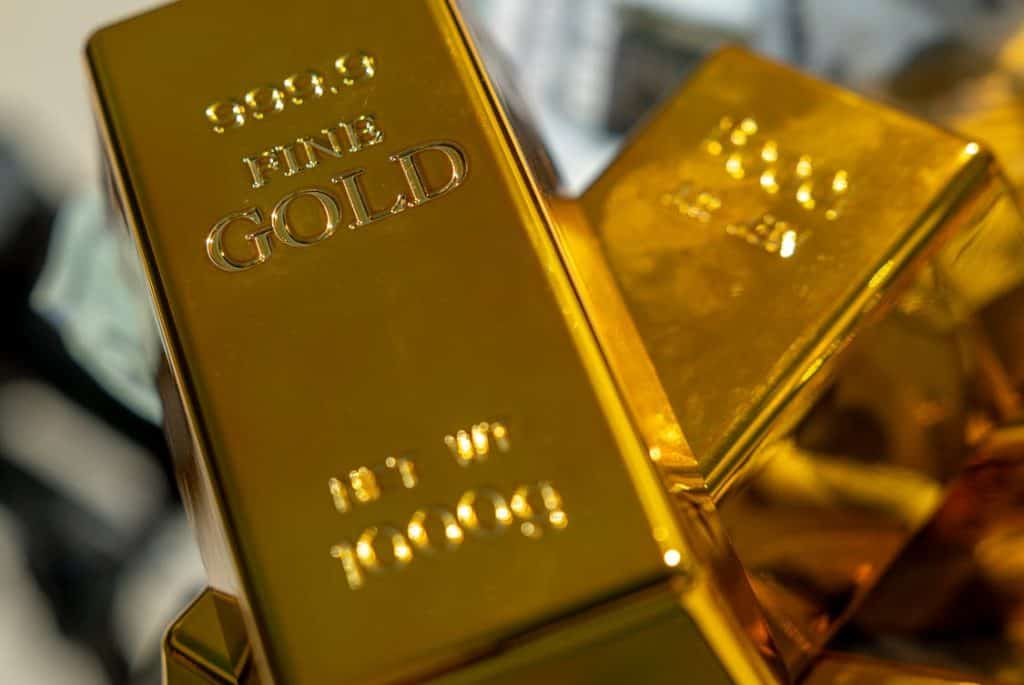
1 kg Gold Bar Prices, Insights, Guide & Best Places to Buy 2026
Why the 1 kg Gold Bar Is the Investor’s First Choice
A 1 kg gold bar has become one of the most popular formats for serious investors seeking reliable, long-term wealth protection.
Offering an excellent combination of high value, practicality, and global recognition, it stands out as a preferred asset for those building or preserving significant wealth.
The 1 kg gold bar represents one of the most efficient ways to hold physical gold.
It provides a substantial amount of pure gold in a compact form, making it attractive for investors who want to maximize value while minimizing storage space and premiums.
Why the 1 kg Size Is Ideal for Long-Term Wealth Protection
Compared to smaller bars, the 1 kg size offers lower premiums per gram, making it more cost-effective for long-term accumulation.
Its weight and purity (typically 999.9 fine gold) make it a secure and trusted store of value that holds up well during market volatility.
For those aiming to protect wealth against inflation, currency devaluation, or geopolitical uncertainty, the 1 kg bar provides a stable and easily tradable option.
Current Global Demand for Large Bars
Demand for larger gold bars—especially 1 kg and above—has been increasing worldwide.
High-net-worth individuals, institutional investors, and central banks continue to buy large bars as part of their long-term strategies for diversification and capital preservation.
With rising economic uncertainty in many regions, large-format bullion remains a core component of global wealth-protection portfolios.
What Is a 1 kg Gold Bar? Comprehensive Overview
A 1 kg gold bar is one of the most established and globally recognized forms of investment-grade bullion.
Highly sought after by both private investors and institutional buyers, this bar size combines substantial intrinsic value, exceptional purity, and strong international liquidity.
Because of its balance between affordability (relative to institutional bars) and high gold content, the 1 kg format has become a cornerstone in long-term wealth preservation strategies worldwide.
Definition & Weight
A 1 kg gold bar represents a solid block of precisely refined gold. Its weight is standardized across the global bullion market:
-
1,000 grams of pure gold
-
Equivalent to 32.1507 troy ounces
-
Measured in troy ounces, the traditional and universally accepted unit for precious metals
This weight class is favored for its efficiency—delivering high gold content in a form that remains practical to store, transport, and trade.
Dimensions & Shape
While individual refiners may introduce slight variations, the physical profile of a 1 kg gold bar remains generally consistent.
Its proportions make it compact enough for private vault storage while still carrying significant value.
-
Typical dimensions: 110–120 mm (length) × 50–55 mm (width) × 8–10 mm (thickness)
-
Common shape: Rectangular block with smoothly rounded edges
-
Bar types:
-
Cast bars: Featuring a rugged, traditional appearance and lower production premiums
-
Minted bars: Offering a refined, polished finish with laser-precise engravings
-
Renowned global mints such as PAMP Suisse, Argor-Heraeus, Perth Mint, and the Royal Mint each produce 1 kg bars with unique markings, serial numbers, and certification features.
Purity Level
Investment-grade 1 kg gold bars almost always adhere to one of the highest purity standards in the bullion industry:
-
999.9 purity (99.99% fine gold)
-
Known as “four nines fine”, this purity ensures:
-
Maximum melt value
-
Strong international acceptance
-
Consistency in weight, quality, and market pricing
-
Such high purity levels make the 1 kg bar a premium option for buyers focused on long-term value retention.
Good Delivery Requirements (LBMA Standards)
Although the LBMA Good Delivery system is primarily designed for large institutional bars (notably the 400 oz bar), many top-tier refiners apply the same rigorous production and assay standards to their 1 kg bars.
This adherence greatly enhances credibility and global marketability.
Key LBMA-aligned features include:
-
Verified weight and purity
-
Refinery accreditation from the LBMA
-
Strict production, marking, and security standards
-
Enhanced liquidity in major financial markets, vaults, and exchanges
The association with LBMA-accredited refiners assures investors that their 1 kg bars meet the highest industry benchmarks, strengthening trust and ease of trade anywhere in the world.
A 1 kg gold bar stands out as a high-value, high-purity, globally recognized bullion asset, making it a preferred choice for anyone serious about long-term wealth protection, portfolio diversification, and safeguarding purchasing power.
1 kg Gold Bar Price Today
Here’s a table of approximate current gold spot prices in different currencies (per gram, per kilogram, per ounce), based on latest publicly available data and exchange rates:
| Currency | Price per Gram | Price per Kilo (1,000 g) | Price per Troy Ounce (~31.1035 g) |
|---|---|---|---|
| USD | US$ 129.83 | US$ 129,833 | US$ 4,038.53 |
| GBP | ~£99 | ~£99,000 | ~£3,091.70 (using USD→GBP rate ≈ 0.765) |
| EUR | ~€112 | ~€112,000 | ~€3,508 (using EUR/USD ≈ 1.1544) |
| AED (UAE Dirham) | ~AED 477 | ~AED 477,000 | ~AED 14,833 (based on US$ → AED rate) |
| UGX (Ugandan Shilling) | UGX 472,719 | UGX 472,718,655 (1,000 × per gram) | UGX 14,703,194 (from same source) |
| INR (Indian Rupee) | ~₹11,630 | ~₹11,630,000 | ~₹362,000 (derived from USD, using USD/INR ≈ 88.64) |
Live Spot Price Explanation
-
The spot price of gold is the current global market price for immediate delivery (i.e., what it costs to buy gold in bulk, without large markups).
-
For 1 kg of gold, platforms like CoinCodex report a live spot rate of around US$ 130,709 per kilogram.
-
In local terms (e.g., Uganda), the spot price per gram can be derived from such international rates and then converted using the current USD/UGX exchange rate.
-
According to XAU.Today, 1 g of gold costs UGX 472,719, which corresponds to about UGX 472,718,655 per kg.
Premiums: What Adds to the Spot Price
When you buy a physical 1 kg gold bar, the price is typically higher than just the spot value.
These extra costs are called premiums, and they come from:
-
Manufacturing costs – refining, casting or minting, assay testing, and packaging
-
Dealer markup – dealers or retailers add a margin to cover overheads, shipping, insurance, and profit
-
Brand or refinery premium – famous or highly trusted refiners (e.g., PAMP, Perth Mint) often charge more than lesser-known ones
These premiums vary depending on the bar’s origin, weight, and how “refined” or “minted” it is.
Larger bars (like 1 kg) tend to have lower premium per gram than smaller bars because fixed manufacturing costs are spread over more gold.
How the Value Is Calculated
Formula to Calculate the Actual Buy Price
Here’s a simplified formula you can use to estimate what you’d pay for a 1 kg bar:
Buy Price = (Spot Price × Weight) + Premium
Where:
-
Spot Price is the current market price per unit (e.g., per gram or per kilo)
-
Weight is how much gold you’re buying (for a 1 kg bar, that’s 1,000 g)
-
Premium is the additional cost above spot (in the same currency)
Example Calculation:
-
Assume spot price = US$ 130.70 per gram (i.e., $130,700/kg)
-
Weight = 1,000 g → base value = US$ 130,700
-
Premium = say US$ 1,500 (this depends on dealer/refinery)
-
Estimated buy price = US$ 130,700 + US$ 1,500 = US$ 132,200
Price Comparison Table: Spot vs Retail
Here’s a rough example of how the spot price compares to possible retail (buy) prices for a 1 kg bar, based on different premium scenarios:
| Scenario | Spot-Based Value (1 kg) | Premium | Estimated Retail Price |
|---|---|---|---|
| Base value only | US$ 130,700 | US$ 0 | US$ 130,700 |
| Moderate premium | US$ 130,700 | US$ 1,000 | US$ 131,700 |
| High-end / branded bar | US$ 130,700 | US$ 2,000+ | US$ 132,700+ |
Key Take-Aways
-
The spot price is your baseline — it’s what the gold is “worth” in purely market-value terms.
-
Premiums significantly affect what you actually pay: manufacturer + dealer + brand = extra cost.
-
Use a simple formula (spot × weight + premium) to estimate your buy price.
-
Always compare local and international dealers — geography, currency, and local demand can change how much you pay.
-
Because gold prices fluctuate (spot moves, premiums vary), it’s smart to get real-time quotes before making large purchases like a 1 kg bar.
Here’s a breakdown of top global brands/refineries that produce 1 kg gold bars, focusing on their security features, packaging, and certification:

4. Top Global Brands / Refineries That Manufacture 1 kg Gold Bars
1. PAMP Suisse
-
Security Features
-
Uses Veriscan® technology: each bar’s microscopic surface topography is scanned and stored, acting like a fingerprint. Investors or dealers can verify authenticity via PAMP’s app or portal.
-
Tamper-evident assay packaging: opening the package damages it, making tampering obvious.
-
-
Packaging
-
Comes in a CertiPAMP assay card which is sealed.
-
The card has QR codes, matching serial numbers, and the signature of a certified assayer.
-
For large bars like 1 kg, PAMP includes a separate assay certificate that verifies the bar’s serial number and purity.
-
-
Certification & Serial Numbers
-
Every bar has a unique serial number, laser-engraved on the bar itself and matching the number on the CertiPAMP card.
-
The assay certificate confirms the weight, purity (typically 999.9 fine for many bars), and serial number.
-
2. Valcambi Suisse
-
Security Features
-
High-quality minted finish, reducing rough edges and making counterfeiting more difficult.
-
Sealed in PETG blisters or capsules depending on the weight for tamper evidence.
-
-
Packaging
-
1 kg bars: they come in a capsule plus blister pack, along with a loose certificate (serial-numbered) from the refinery.
-
The certificate includes key details like weight, purity, and Valcambi’s assayer/melter’s hallmark.
-
-
Certification & Serial Numbers
-
Bars are numbered with a two-letter + six-number serial scheme.
-
The certificate matches the serial number on the bar, which helps with verification.
-
3. Royal Canadian Mint (RCM)
-
Security Features
-
Their bars come in tamper-evident assay cards, which help detect any interference.
-
The plastic card packaging adds protection and ensures authenticity on delivery.
-
-
Packaging
-
Bars are sealed with an assay card that includes the RCM logo, repeated pattern, and bar specifications.
-
The card lists the bar’s purity, weight, and other technical details.
-
-
Certification & Serial Numbers
-
Each bar has a unique serial number stamped directly on the bar.
-
The assay card matches this serial number, providing a certificate of authenticity.
-
4. Perth Mint
-
Security Features
-
Packaging uses CertiCard security: the card has luminescent UV ink that reveals tampering under UV light.
-
The security casing can turn from transparent to opaque if it’s been tampered with.
-
-
Packaging
-
1 kg bars are typically sealed in a protective plastic bag plus come with an assay certificate.
-
The assay certificate includes a corresponding serial number and purity details.
-
-
Certification & Serial Numbers
-
Each bar is stamped with a unique serial number on its surface.
-
The assay certificate matches that serial number, confirming authenticity.
-
5. Argor-Heraeus
-
Security Features
-
Their Kinebar versions use a Kinegram® (holographic security image) on the reverse — this makes them very difficult to counterfeit.
-
Tamper-proof packaging: the bars come sealed so any manipulation is visible.
-
-
Packaging
-
Standard bars come in CertiPack packaging, which is robust and retains the certificate.
-
For Kinebars: packaging includes a certificate with the serial number and the kinegram design.
-
-
Certification & Serial Numbers
-
Bars are engraved with unique serial numbers.
-
Certificates include details like purity, weight, and that same serial number.
-
Many Argor-Heraeus bars are LBMA-approved, giving them strong global acceptance.
-
Why These Brands Matter
-
All of these refineries produce investment-grade, high-purity gold bars (typically 99.99%) that are recognized in major markets — meaning they are highly liquid.
-
Their security packaging and serial numbering systems make counterfeiting much harder and give buyers confidence in authenticity and provenance.
-
These brands are often LBMA-accredited or highly reputable, which is critical for institutional and serious investors.

Why Investors Choose the 1 kg Gold Bar
Investors around the world consistently favor the 1 kg gold bar due to its strategic advantages in wealth preservation, portfolio diversification, and long-term security.
This gold format offers a unique combination of cost efficiency, liquidity, and reliability that smaller bars or alternative investments often cannot match.
Below are the top reasons why serious investors prioritize 1 kg bars:
1. Lower Premiums Compared to Smaller Bars
A primary reason investors opt for 1 kg gold bars is the lower premium per gram.
Smaller bars, such as 1 g, 10 g, or 100 g, incur proportionally higher manufacturing, packaging, and distribution costs, which increase the overall price beyond the spot value of gold.
In contrast, a 1 kg bar spreads these fixed costs over a larger quantity of gold, resulting in significant cost savings.
This makes 1 kg bars the most economical option for accumulating substantial amounts of physical gold.
2. High Liquidity Among Serious Investors
1 kg gold bars enjoy global recognition and acceptance, particularly among institutional investors, banks, and professional bullion dealers.
Their standardized weight, certified purity (typically 99.99%), and production by trusted refineries such as PAMP Suisse, Perth Mint, and Valcambi ensure quick resale and high liquidity.
Whether in local markets or international exchanges, 1 kg bars can be easily bought, sold, or used as collateral, making them highly attractive to investors seeking flexibility and reliability.
3. Ideal for Long-Term Storage
The 1 kg gold bar strikes a balance between value density and practicality.
Compact enough to store in a home safe or secure vault yet substantial in value, a single bar can represent thousands of dollars worth of wealth.
Its high purity ensures minimal degradation over time, and unlike smaller bars, investors can store large amounts of wealth in fewer physical units.
This combination of compactness and long-term stability makes 1 kg bars ideal for strategic wealth preservation.
4. Hedge Against Inflation
Gold has historically served as a reliable hedge against inflation and currency devaluation. Unlike cash, which loses purchasing power during periods of rising prices, physical gold retains intrinsic value.
Owning 1 kg bars allows investors to protect significant wealth in a tangible, universally recognized asset, ensuring long-term financial security.
The size and value of 1 kg bars make them particularly effective for storing wealth that keeps pace with or outperforms inflation.
5. Strength During Economic Downturns
During periods of financial uncertainty, recession, or geopolitical tension, gold consistently demonstrates safe-haven properties.
A 1 kg bar provides investors with tangible security when equities, real estate, or fiat currencies may experience volatility.
Its standardized weight, certification, and recognized refinery backing allow for easy verification and liquidity, making it an essential component of a defensive investment strategy.
Investors can rely on 1 kg bars to preserve wealth and provide confidence during challenging economic conditions.
Conclusion:
The 1 kg gold bar is not just a physical asset; it is a strategic investment tool.
By offering lower premiums, high liquidity, efficient storage, protection against inflation, and resilience during economic downturns,
1 kg gold bars remain the preferred choice for both private and institutional investors looking to safeguard long-term wealth.
1 kg Gold Bar vs Other Gold Bar Sizes
When investing in physical gold, size matters.
Choosing between 100 g, 250 g, 500 g, and 1 kg bars depends on factors like cost efficiency, liquidity, storage, and investment goals.
Understanding the trade-offs between different sizes helps investors make informed decisions tailored to their portfolios.
1. Weight Comparison: 100 g, 250 g, 500 g, and 1 kg
| Bar Size | Approx. Value* | Typical Premium | Portability | Storage Requirement |
|---|---|---|---|---|
| 100 g | $12,983 | High per gram | Very portable | Minimal space |
| 250 g | $32,458 | Moderate per gram | Portable | Low space |
| 500 g | $64,917 | Lower per gram | Less portable | Moderate space |
| 1 kg | $129,833 | Lowest per gram | Bulky | Small storage efficiency (per value) |
*Based on current USD spot price (~$129.83 per gram).
2. Pros & Cons of Different Sizes
100 g Bars
-
Pros: Very liquid, easy to sell in small amounts, ideal for incremental investment.
-
Cons: Higher premiums per gram, not as cost-efficient for accumulating large wealth.
250 g Bars
-
Pros: Balanced option for moderate investors, relatively portable, better premium than 100 g.
-
Cons: Still less cost-efficient than 500 g or 1 kg bars for large holdings.
500 g Bars
-
Pros: More cost-efficient per gram, suitable for serious investors, easier storage per value.
-
Cons: Slightly less liquid in local markets compared to 100 g or 250 g bars; heavier to transport.
1 kg Bars
-
Pros: Lowest premium per gram, high recognition among institutional buyers, excellent for long-term wealth preservation.
-
Cons: Less portable for casual investors, may require secure storage facilities, smaller market for fractional selling.
3. Liquidity vs Cost Efficiency
-
Liquidity: Smaller bars (100 g and 250 g) are easier to sell in small increments, making them ideal for retail investors or those who need quick access to cash.
-
Cost Efficiency: Larger bars (500 g and 1 kg) minimize premiums per gram, maximizing the value of your investment and reducing total costs for accumulating substantial gold holdings.
4. Best Size for Different Investor Profiles
-
Beginner Investors / Small Portfolios: 100 g bars are ideal due to easy liquidity and lower upfront investment.
-
Moderate Investors / Portfolio Diversifiers: 250 g or 500 g bars offer a balance between cost efficiency and flexibility.
-
High-Net-Worth Individuals / Long-Term Wealth Preservation: 1 kg bars are the preferred choice because of lowest premiums, high purity, and institutional recognition, making them excellent for storing large wealth efficiently.
Key Takeaway:
The 1 kg gold bar excels in cost efficiency and long-term storage, while smaller bars provide better liquidity and flexibility.
Investors should match their bar size to their investment strategy, balancing premium costs, ease of sale, and storage convenience.

Where to Buy a 1 kg Gold Bar
1. Reputable Bullion Dealers & Refineries
-
African Gold Refinery (AGR) — Based in Entebbe, this is Uganda’s most recognized refinery. They produce certified bars, assay them, and provide documentation.
-
Gold Bars for Sale Africa (Kampala) — A well-known dealer. They handle purchase, certification, export documentation, and provide assay certificates for bars from 1 g up to 1 kg.
-
Bullion Refinery Ltd (Kampala) — Licensed refinery and dealer; they supply high-purity bars and facilitate secure export.
-
Simba Gold Traders (Kampala CBD) — Local trading point, especially useful for buyers who want to examine the bar in person before purchase.
-
Gold Traders International (UG) — Lists certified bullion sellers across Uganda.
-
Mzuri Gold Group — Operates in Kampala; provides guidance on verifying purity, licensing, and documentation.
Government‑Approved & Regulatory Points
-
Dealers must be licensed by the Directorate of Geological Survey and Mines (DGSM). Goldbuyersafrica highlights the need to check a dealer’s DGSM license.
-
Confirm business registration via URSB (Uganda Registration Services Bureau) and ensure the dealer has a valid export permit / license, especially for large bars.
-
For exporting gold, proper legal documentation is required: assay certificates, export permits, invoices, and other customs paperwork.
Online vs Offline Buying: Safety Tips
-
Offline / In-Person Buying
-
Visit physical offices of known dealers (AGR, Bullion Refinery, etc.) to inspect the bars directly.
-
Request to see assay certificates, check serial numbers, and verify weight before paying.
-
Use non-cash or traceable payment (bank transfer, escrow) to reduce risk.
-
-
Online Buying
-
Use licensed and well-reviewed companies — don’t transact via informal social media sellers.
-
Use secure payment mechanisms: escrow accounts, bank wire transfers.
-
Make sure all documents (invoice, assay certificate, export permit) are provided before the gold is shipped or delivered.
-
Use insured, secure logistics firms if you plan to have the gold delivered.
-
Verifying Authenticity Before Buying
-
Assay Certificate: Always ask for a third-party assay from a recognized lab. This confirms purity (e.g., 99.99%) and weight.
-
Serial Numbers: Ensure the gold bar has a serial number, and that this matches the number on the certificate or invoice.
-
XRF / Fire Assay Testing: On-site testing (e.g., X-ray fluorescence) or a fire assay (if allowed) provides reliable verification.
-
Use Escrow or Secure Payment: Use payment mechanisms where funds are held until you confirm receipt and authenticity.
-
Inspect Dealer Credentials: Verify the dealer’s DGSM license, physical office address, URSB registration, and export license.
-
Documentation for Export: If exporting, ensure you receive export permits, assay certificates, customs documents, and the invoice.
Key Risks & Red Flags
-
Be cautious of dealers offering very low prices — too good to be true often signals risk.
-
Avoid cash-only large transactions without documentation.
-
Beware of buyers or sellers who refuse to allow independent testing at a trusted facility. As one Reddit user warns:
“If they refuse to meet you at a refinery where you can fully melt all the gold and confirm the weight and purity they are not worth your time.”
-
Watch out for unlicensed dealers or “dealers” without a physical office.
Bottom Line:
To safely buy a 1 kg gold bar in Uganda or Africa, focus on licensed dealers and refineries, demand full verification (serial number + assay), use secure payment and delivery methods, and always do due diligence on the seller.
If you like, I can list current (real‑time) trusted dealers in Kampala with live 1 kg bar quotes — do you want me to check?
Storage Options for a 1 kg Gold Bar
When you own a high-value asset like a 1 kg gold bar, how and where you store it is just as important as having it in the first place.
Here are the main storage options, along with practical advice on insurance and security.
1. Bank Safe-Deposit Boxes
-
Security Level:
-
Very secure physical protection — bank vaults usually have strong access controls, dual-key systems, CCTV, and alarm systems.
-
However, banks typically do not insure the contents of safe-deposit boxes for their full value.
-
There is counterparty risk: in a systemic banking crisis, access might be limited or restricted.
-
-
Access Constraints:
-
Limited to bank business hours, so you may not be able to get to your gold in an emergency.
-
-
Insurance:
-
Because the bank usually doesn’t cover the market value of the stored gold, you’ll need to secure separate private insurance.
-
Safe‑deposit box insurance policies may require you to provide an inventory, appraisals, or photos.
-
-
Pros / Cons Summary:
-
Pros: Trusted vault infrastructure, relatively low annual box rental fees.
-
Cons: Not insured by bank for full bullion value → must buy extra coverage; limited access; potential risk if bank has problems.
-
2. Private Vault Facilities (“Professional Vaults”)
-
Security Level:
-
Designed specifically for precious metals — many private vaults have military-grade security, 24/7 surveillance, and are optimized for large or high-value holdings.
-
Typically inside non-bank facilities, which reduces “bank counterparty” risk.
-
-
Insurance:
-
Private vaults often come with all-risk insurance, covering theft, damage, or loss.
-
Because these vaults are specialized, insurers may offer better, more customized coverage reflecting the actual value of the bars.
-
-
Storage Type:
-
You can usually choose allocated storage, where your specific bar (with its serial number) is stored, giving you legal ownership and auditability.
-
Some vaults seal the bars with tamper-evident packaging or security seals, helping prevent unauthorized access or tampering.
-
-
Access & Control:
-
Some private vaults allow more flexible access than banks, sometimes even 24/7, depending on the provider.
-
There may be a fee structure based on value, rather than just space.
-
-
Pros / Cons Summary:
-
Pros: High security, tailored insurance, full coverage, specific-bar allocation.
-
Cons: Higher storage fees than basic bank boxes, may require transport to/from the vault, less “narrow box” anonymity.
-
3. Home Safes
-
Safe Specifications:
-
Must be robust: Choose safes rated for burglary resistance (e.g., UL-rated) and fire/water resistance.
-
Anchor the safe securely (bolt to floor or wall) so it cannot simply be carried off.
-
Consider environmental factors: use desiccant packs, maintain moderate humidity, avoid storing in damp or very hot areas.
-
-
Security Layers:
-
Use an alarm system, cameras, or motion sensors to bolster home security.
-
Use tamper-evident packaging or security seals around the gold bars to detect any unauthorized access.
-
-
Insurance Requirements:
-
Many home insurance policies exclude or limit coverage for investment-grade gold unless you add a rider / scheduled valuables coverage.
-
Specialist insurers can cover gold stored at home. Premiums vary; according to a bullion insurer, it may cost 0.5%–2% of the insured value annually, depending on location, security, and value.
-
-
Pros / Cons Summary:
-
Pros: Immediate access, no recurring fees (other than insurance), full physical control.
-
Cons: Risk of burglary/fire, insurance may be expensive or limited, need to manage all security yourself.
-
4. Security Protocols & Best Practices
-
Diversify Storage Locations:
-
Don’t keep all gold in one place. Split between home and vault, or between vaults if you have a large holding.
-
-
Maintain Documentation:
-
Keep detailed records: invoices, serial numbers, assay certificates, and photographs. These are critical for insurance claims.
-
-
Inspect & Audit Regularly:
-
If using a private vault, ensure the facility offers auditing or inventory reports so you can verify your bars are still there.
-
-
Use Tamper-Evident Seals:
-
Use security seals, tamper-proof packaging, or numbered security straps to detect unauthorized access.
-
-
Limit Knowledge:
-
Keep gold holdings confidential. Avoid disclosing exact amounts or storage locations widely — secrecy itself is a layer of protection.
-
5. Insurance Summary
-
Home Storage Insurance:
-
Requires a scheduled rider; typical home policies don’t fully cover bullion.
-
Premiums depend on safe type, security system, and value.
-
-
Vault / Bank Box Insurance:
-
Private vaults often include or offer robust all-risk insurance.
-
Safe-deposit box contents are often undervalued by banks — separate, detailed insurance is recommended.
-
Conclusion
For a 1 kg gold bar — a high-value, high-purity asset — storage is not just about “where” but “how well.”
-
Bank safe‑deposit boxes offer strong physical protection but limited insurance and access.
-
Private vaults provide specialized security, full insurance, and tailored storage.
-
Home safes give you control and immediate access but require serious investment in security and insurance.
Ultimately, many investors use a combination: some gold for home access, and the rest in a fully insured private vault.
This layered approach balances convenience with safety and peace of mind.

How to Verify Authenticity of a 1 kg Gold Bar
Buying a 1 kg gold bar is a significant investment, so ensuring its authenticity is critical.
Counterfeit gold bars exist, especially in regions with informal markets, and verifying your bar before purchase or storage protects your wealth.
Here’s a comprehensive guide to verifying authenticity:
1. Check Serial Numbers
-
Most reputable gold bars from trusted refineries (PAMP Suisse, Perth Mint, Argor-Heraeus) come with unique serial numbers stamped directly on the bar.
-
Steps:
-
Match the serial number on the bar with the number on the assay certificate or invoice.
-
Avoid bars where the serial number is missing, duplicated, or appears tampered with.
-
-
Serial numbers allow traceability and can help confirm the bar’s origin from the issuing refinery.
2. Examine Assay Certificates
-
An assay certificate is a document from a recognized refinery that certifies the bar’s weight, purity (usually 99.99%), and origin.
-
Key Points:
-
Ensure the certificate is original, not a photocopy or digital-only document.
-
Check for official refinery stamps, signatures, and holograms.
-
Verify the bar’s serial number on the certificate matches the bar.
-
-
Tip: High-value 1 kg bars should always come with an assay certificate. Bars without one should be avoided.
3. Inspect Packaging and Tamper-Evident Seals
-
Many 1 kg bars are sold in tamper-evident packaging, which helps detect unauthorized opening or replacement of the bar.
-
Steps:
-
Look for factory seals, holographic stickers, or vacuum-sealed packages.
-
If the packaging appears resealed or damaged, request additional verification before purchase.
-
-
Tamper-evident packaging is especially important when buying online or from third-party dealers.
4. Physical & Non-Destructive Testing
-
Even with serial numbers and certificates, additional testing is recommended:
a) Weight Testing
-
A 1 kg gold bar should weigh exactly 1,000 grams (or 32.1507 troy ounces).
-
Use a precise digital scale; even minor discrepancies can indicate counterfeit content or impurities.
b) Dimensions & Shape
-
Compare the bar’s length, width, and thickness with manufacturer specifications. Deviations could signal tampering.
c) Ultrasound / XRF Testing
-
Ultrasound testing can detect density variations inside the bar.
-
X-ray fluorescence (XRF) analysis confirms the metal composition without damaging the bar.
-
These tests are commonly done by professional dealers or certified assayers.
d) Magnet Test
-
Pure gold is non-magnetic. While not conclusive, a magnetic bar is immediately suspicious.
5. Common Counterfeits and How to Avoid Them
-
Counterfeit Materials: Tungsten, lead, or gold-plated base metals may mimic the weight and look of gold.
-
Red Flags:
-
Missing or duplicate serial numbers.
-
Unusual packaging or lack of tamper-evident seals.
-
Bar significantly cheaper than market value or below recognized dealer pricing.
-
Sellers unwilling to allow testing or verification at a trusted facility.
-
-
Best Practices to Avoid Counterfeits:
-
Buy only from LBMA-accredited refineries or reputable bullion dealers.
-
Always request the assay certificate and packaging inspection.
-
Use independent testing (ultrasound, XRF, or fire assay) for high-value bars.
-
Avoid informal markets or private sellers without verifiable credentials.
-
Key Takeaway
Verifying the authenticity of a 1 kg gold bar is a multi-step process involving:
-
Serial number and certificate matching
-
Tamper-evident packaging inspection
-
Weight, dimension, and non-destructive testing
-
Awareness of common counterfeit tactics
Following these steps ensures your investment is genuine, traceable, and secure.
Selling a 1 kg Gold Bar: Best Practices
Selling a 1 kg gold bar requires careful planning to maximize resale value, ensure secure transactions, and comply with legal requirements.
Whether selling locally or internationally, following best practices protects your investment and ensures a smooth process.
1. Where to Sell Locally
-
Licensed Bullion Dealers: Reputable dealers in Kampala, Nairobi, Johannesburg, and other African hubs are preferred for security, fair pricing, and documentation. Example dealers in Uganda include African Gold Refinery (AGR), Gold Bars for Sale Africa, and Bullion Refinery Ltd.
-
Banks: Some commercial banks buy back gold bars from clients. Policies vary, and not all banks handle physical gold.
-
Jewelry or Precious Metals Shops: Only if they are licensed and provide certified weighing and assay verification. Avoid informal or unverified buyers.
-
Auction Houses: Occasionally, high-value bars can be sold through certified auctions with proper documentation, though fees may be higher.
2. How to Get the Best Resale Value
-
Sell to Recognized Dealers: Dealers affiliated with LBMA or major global refiners generally offer higher prices.
-
Maintain Original Packaging and Certificate: Bars with intact tamper-evident packaging, serial numbers, and assay certificates command premium resale value.
-
Timing Sales: Aligning sales with favorable gold market trends can significantly improve returns. Monitor spot prices and local demand.
-
Avoid Middlemen: Selling directly to a reputable refinery or dealer reduces intermediary deductions.
3. Required Documentation
To sell a 1 kg gold bar safely, the following documents are typically required:
-
Assay Certificate – proves weight, purity, and serial number.
-
Purchase Invoice – original proof of acquisition.
-
Identity Documents – passport, national ID, or business registration (for institutional sellers).
-
Export/Import Permits – if selling internationally.
Missing documentation can lead to lower offers or refusal by the buyer.
4. Premiums and Deductions to Expect
-
Refinery Fees / Deduction: Dealers often charge a refining or processing fee (1–3% of value) if the bar needs re-assaying.
-
Market Premium Adjustment: Unlike buying, selling usually occurs closer to spot price; expect slightly lower returns than retail purchase.
-
Taxes or Duties: Some regions impose VAT, capital gains tax, or import/export duties on gold transactions. Check local regulations to avoid surprises.
-
Condition Adjustment: Damaged or opened packaging can reduce resale value.
5. Buyback Policies of Major Dealers
-
African Gold Refinery (AGR): Offers buyback of 1 kg bars purchased from their refinery with full assay verification; price based on current spot plus minimal processing fee.
-
Gold Buyers Africa: Provides immediate buyback at market-aligned rates, especially for LBMA-compliant or certified bars.
-
International Dealers: Global refiners like PAMP Suisse or Perth Mint often offer buyback for branded bars, with adjustments for local shipping and verification costs.
Tips for Best Practices:
-
Keep the bar’s original packaging and certificate intact.
-
Compare multiple dealer offers before finalizing the sale.
-
Verify the dealer’s license, reputation, and buyback policy.
-
Consider insurance during transport if moving the bar for sale.
Key Takeaway:
Selling a 1 kg gold bar profitably requires choosing trusted buyers, maintaining certification and packaging, understanding market pricing, and complying with legal documentation.
Following these best practices ensures maximum value, secure transactions, and peace of mind for investors.
Taxation Rules & Legal Requirements for 1 kg Gold Bars (Uganda‑Specific)
Here’s a breakdown of what current Ugandan tax and legal rules could mean when you deal in large gold bars (such as 1 kg gold bars).
Note: tax laws can change, so it’s always wise to check with a qualified tax advisor or lawyer when making large transactions.
Key Tax & Legal Points in Uganda for Gold
-
Export Levy / Duty
-
There is a US$ 200 per kilogram levy on refined gold exports.
-
However, as of recent reports, the implementation of this export levy has been paused by government directive.
-
The levy controversially remains a point of dispute, with government and exporters taking different stances.
-
For domestic mining operations, royalty rates apply. According to the Directorate of Geological Survey & Mines (DGSM), a royalty rate for precious metals is 3 %.
-
-
Capital Gains Tax (CGT)
-
Under Ugandan law, gains from the disposal of assets (including capital assets) are taxable. The DGSM mining‑industry guidelines cite a capital gains tax rate of 30%.
-
The Uganda Chamber of Mines / investment‑tax literature also aligns with a 30% rate.
-
That said, there was a proposal (in recent tax amendment bills) to change how gains are taxed: for disposals, instead of CGT, a 5% withholding tax on gross proceeds was proposed.
-
According to PwC’s commentary, if this change passes, the 5% withholding could be a final tax, meaning the seller might not pay additional CGT beyond that.
-
-
Because tax‑law proposals evolve, you’ll need to check whether the 5% withholding rule has been fully enacted / is in force.
-
-
VAT / GST on Gold
-
According to DGSM guidelines, mining companies are subject to VAT, and domestic sales of minerals can attract VAT at 18%.
-
For exported gold, some types of transactions may effectively avoid local VAT (depending on how they are structured), but this depends heavily on regulatory and tax‑authority interpretations.
-
-
Reporting & Documentation Obligations
-
When dealing in gold, proper documentation is critical: assay certificates, invoices, weight reports, etc., must be maintained. These are important for both URA (Uganda Revenue Authority) compliance and export regulation.
-
Exporters need an export permit from the Directorate of Geological Survey & Mines to legally ship gold out of Uganda.
-
On the mining side, companies must also maintain transfer‑pricing documentation when dealing with cross-border gold business, per DGSM tax‑policy guidelines.
-
-
Exemptions and Special Tax‑Free Schemes
-
There is some policy volatility: at times, export taxes / levies have been held in abeyance, meaning not all gold exporters are currently paying the $200/kg levy.
-
According to tax‑incentives guides, certain investors may benefit from investment incentives (though not always gold‑specific).
-
There is no widely publicized “gold‑investment tax-free scheme” for private retail gold holders—tax tends to apply under the standard asset‑disposal framework, rather than a special scheme for bullion.
-
Risks & Considerations for Gold Bar Investors
-
Because of pending or disputed tax rules, selling a 1 kg bar may incur significant tax risk if legislation changes.
-
When planning to export, ensure compliance with DGSM permits, assay documentation, and URA export procedures to avoid penalties.
-
For large holdings, it’s best to engage a tax professional familiar with Ugandan mineral taxation.
-
Keep up to date on URA and DGSM announcements — tax policy around export levies and capital gains could shift.

Why Choose Us – Gold Bars for Sale Africa
When it comes to buying affordable 1 kg gold bars in Africa, Gold Bars for Sale Africa stands out as the trusted choice for both new and seasoned investors.
Here’s why discerning investors choose us:
1. Unmatched Affordability
We provide high-quality 1 kg gold bars at prices that are among the most competitive in Africa.
By keeping premiums low and sourcing directly from reputable refiners, we ensure that every investor can buy gold without overpaying.
This makes accumulating wealth with physical gold accessible to everyone, not just large-scale investors.
2. Authentic, Investment-Grade Gold
-
Every bar is 99.99% pure gold, certified by leading refineries.
-
Comes with serial numbers, tamper-evident packaging, and full assay certificates.
-
LBMA-compliant or certified bars ensure your investment is globally recognized and liquid.
With Gold Bars for Sale Africa, you never have to compromise quality for affordability.
3. Safe and Transparent Transactions
We value trust and transparency above all.
-
Full documentation accompanies every purchase.
-
Secure payment methods protect your funds.
-
Step-by-step guidance ensures you know exactly what you are buying.
Our commitment to transparency means you can confidently buy your 1 kg gold bar with no hidden fees or surprises.
4. Convenient Access Across Africa
We operate in multiple African markets, making it simple for investors to buy gold locally or online. Whether in Kampala, Nairobi, Johannesburg, or Lagos, you can enjoy fast delivery, verified authenticity, and hassle-free service.
5. Expert Guidance for Every Investor
Whether it’s your first gold purchase or you’re expanding your portfolio:
-
Our experts provide personalized advice on gold investment.
-
Learn how to store, secure, and liquidate your 1 kg gold bar safely.
-
Maximize returns with market insights and up-to-date pricing information.
6. Why Our Customers Keep Coming Back
-
Competitive pricing that saves you money
-
Guaranteed authenticity and certification
-
Reliable delivery and secure transactions
-
Exceptional customer support and expert guidance
Invest Smart, Buy Affordable Gold Today
With Gold Bars for Sale Africa, buying a 1 kg gold bar isn’t just a purchase—it’s a smart step toward financial security.
Affordable, safe, and globally recognized, our gold bars are the perfect investment for African investors who value quality, trust, and savings.
Take control of your wealth. Choose Gold Bars for Sale Africa and invest in 1 kg gold bars today. Contact Us Today.
Frequently Asked Questions
Is a 1 kg gold bar suitable for beginners?
Yes, while larger than 100–250 g bars, 1 kg bars are still accessible for serious beginners who want to invest in long-term wealth storage. They offer lower premiums per gram compared to smaller bars.
How much profit can I make on a 1 kg gold bar?
Profit depends on the gold market price at purchase and sale. Typically, investors benefit from capital appreciation over time, though short-term fluctuations can affect gains.
Is gold better than real estate for investment?
Gold provides liquidity, portability, and inflation protection, whereas real estate offers rental income and long-term value appreciation. Many investors diversify across both.
How pure is a 1 kg gold bar?
Most investment-grade bars are 99.99% pure gold (24 karats), verified by certified refineries.
How much does a 1 kg gold bar cost?
The price depends on the current spot price of gold, plus a small premium for manufacture and dealer fees. Prices fluctuate daily based on global markets.
Can I sell a 1 kg gold bar easily?
Yes, especially if it comes from a reputable refinery with serial numbers and an assay certificate. Such bars are highly liquid worldwide.
How do I verify the authenticity of a 1 kg bar?
Check serial numbers, assay certificates, tamper-proof packaging, and consider weight, ultrasound, or XRF testing.
What are the best storage options for a 1 kg bar?
-
Bank safe-deposit boxes
-
Private vaults
-
High-security home safes
Always consider insurance and security protocols.
Are 1 kg gold bars taxed in Africa?
Yes, taxes vary by country: VAT, capital gains tax, or export levies may apply. In Uganda, for instance, gains are subject to tax, and export requires proper permits.
Is a 1 kg bar better than smaller bars?
Yes, for lower premiums per gram and better liquidity among serious investors, but smaller bars are easier for incremental investment or gifting.
Can I buy a 1 kg gold bar online safely?
Yes, if purchased from reputable dealers with verified shipping, secure payment, and authentication guarantees.
How do I calculate the value of my gold bar?
Formula:
Buy/Sell Price = Spot Price × Weight in grams + Premiums/Dealer Fees
Check live spot prices for accuracy.
Can a 1 kg gold bar hedge against inflation?
Yes. Gold is a historical hedge, retaining value when fiat currency loses purchasing power.
Are 1 kg bars globally recognized?
Yes. Bars from PAMP Suisse, Perth Mint, Argor-Heraeus, and other LBMA-approved refiners are recognized and tradable worldwide.
How long should I hold a 1 kg bar?
Ideal for long-term investment, usually 5–10+ years, but short-term trading is possible depending on market timing.
Can I gift a 1 kg gold bar?
Yes, though due to its high value, most people gift smaller denominations, while 1 kg bars are mainly for investment.
How much space does a 1 kg gold bar occupy?
Approximate dimensions: 110–120 mm × 50–55 mm × 8–10 mm. Compact enough for vault storage.
Do gold bars generate income like stocks or bonds?
No. Gold does not produce dividends or interest, but capital gains accrue if market prices rise.
Can I insure a 1 kg gold bar?
Yes, through home insurance riders or vault facility coverage. Premiums depend on value, storage, and security measures.
Why should I buy from a trusted dealer?
A reputable dealer ensures:
-
Authentic, LBMA-certified gold
-
Proper documentation and assay certificates
-
Secure, transparent transactions and fair pricing
Conclusion: Is a 1 kg Gold Bar Worth Buying Today?
Final Investment Advice
Buying a 1 kg gold bar today remains a compelling strategy for investors seeking a durable, high-value hedge. Given its size and purity, a 1 kg bar offers excellent cost-efficiency (lower premiums per gram) and global liquidity.
If your goal is long-term wealth preservation, rather than short-term speculation, a 1 kg bar is a smart allocation in your portfolio.