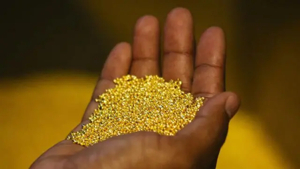
Authentic African Gold Bars

Authentic African Gold Bars

Authentic African Gold Bars: How to Verify, Price, and Buy Safely in 2026

Discover authentic African gold bars from trusted suppliers. Learn how to verify purity, certifications, and secure genuine, investment-grade gold for safe and reliable purchases

Authentic African gold bars are sourced from licensed miners and reputable suppliers, ensuring verified purity, quality, and legal compliance.

Buyers should request assay certificates, export documentation, and independent verification before purchasing.

Investing in genuine African gold bars offers long-term value, secure transactions, and confidence in product authenticity.

Working with trusted gold dealers minimizes fraud risks and guarantees access to certified, investment-grade gold for local and international markets.

In 2026, with gold trading at record highs near and above $5,000/oz, demand for authentic African gold bars has surged alongside sophisticated counterfeits.

Investors who buy gold bars Africa now face higher stakes: a single fake bar can erase months of gains, while verified, compliant bars preserve capital and enable smooth export.

This guide shows you exactly how to identify verified 24K gold bars, what documentation and hallmarks to demand, where to buy safely across Ghana, Uganda, and South Africa, and how to lock in fair pricing and secure delivery through Gold Bars for Sale Africa.

Authentic African Gold Bars

What makes an African gold bar “authentic”?

An authentic African gold bar is defined by industry-grade proof of purity, origin, and chain-of-custody—not just a shiny appearance.

The gold standard is 999.9 fine gold (24K) produced by an LBMA-approved refineries or nationally accredited refiner, with a unique serial number and an assay certificate that matches the bar’s weight and fineness.

In Africa, Rand Refinery (South Africa) is the only refinery on the continent with LBMA Good Delivery status, meaning its bars meet the strictest global trading standards for purity, weight tolerance, and responsible sourcing.

Other reputable refiners (e.g., African Gold Refinery in Uganda) operate under national frameworks and can still be legitimate, but they are not LBMA-listed; therefore, documentation and third-party verification become even more critical.

Key authenticity markers include:

  • Hallmarks: crisp engravings showing “999” or “999.9”, refinery logo/name, and weight (e.g., 100g, 1kg).

  • Assay certificate: issued by the refiner or an independent lab, listing purity, weight, serial number, and origin; often sealed in a CertiPAMP-style card for smaller bars.

  • Serial number: etched or laser-marked on the bar and duplicated on the certificate for traceability.

  • Refinery logo and security features: micro-engravings, holograms, or tamper-evident packaging where applicable.

These features matter because they protect resale value, simplify customs clearance, and reduce the risk of rejection by vaults or exchanges during export.

How to verify authenticity before you buy

Before you transfer funds, treat verification as a non-negotiable checklist. The goal is to verify gold bar Africa purchases with layered evidence—visual, documentary, and (when needed) scientific.

1) Hallmark inspection

  • Confirm the bar displays 999/999.9, the refinery name/logo, and the exact weight (e.g., 100g, 250g, 1kg).

  • Check engraving quality: authentic bars have sharp, even lettering; fakes often show blurred edges, shallow stamps, or inconsistent fonts.

  • Verify the serial number is present and matches the certificate.

2) Certificate checks

  • The assay certificate must state fineness (e.g., 999.9), gross/net weight, serial number, refinery seal/signature, and date of assay.

  • Cross-check that the certificate’s serial number, weight, and purity match the physical bar.

  • For high-value purchases, prefer certificates from LBMA-accredited labs or nationally recognized authorities; request a digital copy with a verifiable reference number.

3) Simple at-home tests (indicative, not definitive)

  • Magnet test: real gold is non-magnetic; strong attraction indicates base metals.

  • Density calculation: weigh the bar, then measure water displacement to estimate density (~19.3 g/cm³ for pure gold). Significant deviations suggest alloys or plating.

  • Nitric acid spot test: a small, discreet scratch tested with nitric acid should show no reaction on pure gold; green/milky reactions indicate base metals. Use caution and follow safety guidelines.

4) When to use XRF or independent assay

  • For bars over 100g, institutional purchases, or any transaction where the seller cannot provide robust documentation, insist on an XRF scan or an independent assay by a third-party lab before payment release.

  • Reputable sellers will accommodate independent verification; refusal is a red flag.

Where to buy authentic gold bars in Africa

Buying through compliant channels dramatically reduces scam risk and eases export.

Focus on licensed exporters and recognized refineries, and always verify credentials before paying.

Ghana

  • Prioritize GoldBod-licensed exporters and dealers registered under Ghana’s minerals and mining framework.

  • Advantages: clearer documentation trails, established export permits, and stronger regulatory oversight.

  • Ask for the exporter’s license number and cross-check with GoldBod before proceeding.

Uganda

  • The African Gold Refinery (AGR) in Kampala is a major East African refiner; while not LBMA-listed, it operates under Ugandan oversight and can supply 24K bars with assay.

  • Verify sellers via the Bullion and Gold Merchants Association (BGMA) or relevant Ugandan authorities; request refinery invoices and assay certificates.

  • Uganda often offers competitive pricing for regional buyers, but documentation diligence is essential.

South Africa

  • Rand Refinery (Germiston) is Africa’s only LBMA Good Delivery refiner, producing bars acceptable on global OTC markets and major exchanges (COMEX, TOCOM, SGE).

  • Bars from Rand Refinery carry the strongest international recognition and typically command smoother resale and vault acceptance.

Red flags to avoid

  • Unregistered sellers with no verifiable license or physical address.

  • No assay certificate, missing serial numbers, or mismatched documents.

  • Prices significantly below spot without a clear, documented reason (e.g., large volume discount with verifiable refinery source).

Get our list of verified dealers by country before you contact any supplier.

Where to buy authentic gold bars in Africa

Pricing, premiums, and value in 2026

With gold at historic levels in 2026, understanding gold bar price Africa 2026 dynamics helps you evaluate quotes and avoid overpaying.

Use the international spot price (e.g., ~$5,000–$5,600/oz range in early 2026) as your benchmark, then add the dealer’s premium for fabrication, certification, logistics, and compliance.

How premiums work

  • 24K gold bar price per gram = (spot price per ounce ÷ 31.1035) + premium per gram.

  • Premiums vary by refinery (LBMA vs. non-LBMA), weight (smaller bars carry higher per-gram premiums), certification (assay, serial, packaging), and logistics (insured shipping, vault fees).

  • Typical indicative ranges (not quotes): small bars (1g–10g) may carry 8–15%+ over spot; medium bars (50g–100g) ~4–8%; large bars (250g–1kg) ~2–5%, depending on supplier and market conditions.

Example (illustrative only)

  • If spot is $5,200/oz, the base price per gram is ~$167.10. A 100g bar with a 5% premium would price around $175.45/gram before taxes and shipping. Always request a live, weight-specific quote.

Request a live quote for your preferred weight and compare total landed cost (price + insurance + shipping).

Export, compliance, and secure delivery

For cross-border buyers, smooth export gold bars Africa transactions depend on documentation and insured logistics.

Required documents

  • Assay certificate (purity, weight, serial, origin).

  • Certificate of Origin (confirms African origin for customs).

  • Export permit/license from the country of export (e.g., GoldBod in Ghana, Ugandan authorities for AGR-sourced bars).

  • Commercial invoice, packing list, and buyer KYC/AML documentation as required by the carrier and destination country.

Payment methods

  • Use bank wire or escrow for large transactions; avoid cash deals for high-value bars.

  • Ensure payment terms align with document verification and, where possible, independent assay before final release.

Shipping and insurance

  • Use specialized, insured carriers such as Brinks, Malca‑Amit, or DHL specialized bullion services; consider vault-to-vault transfers for institutional clients.

  • Confirm insurance covers full replacement value and that the shipment is trackable with chain-of-custody logs.

Investment use cases: bars vs coins vs jewelry

Choosing between gold bars vs coins Africa depends on your goals: wealth preservation, liquidity, or gifting.

  • Bars: lowest premium per ounce, ideal for serious investors prioritizing cost efficiency and storage density.

  • Coins: higher recognizability (e.g., Krugerrand), smaller denominations for gradual accumulation, but slightly higher premiums than equivalent-weight bars.

  • Jewelry: cultural and aesthetic value, but significantly higher premiums and lower liquidity; best for gifting or personal use rather than pure investment.

Red flags and scam prevention

Protect your capital by recognizing common fake gold bars Africa schemes and acting early.

  • Too-good-to-be-true pricing: deep discounts without verifiable refinery source or documentation.

  • Missing or mismatched details: no serial number, blurry hallmarks, certificate weight/purity not matching the bar.

  • Pressure tactics: rushed deadlines, refusal to allow independent assay, or demands for cash/crypto only.

  • No verifiable address or license: unwillingness to share company registration, refinery invoices, or export permits.

If you suspect a fake:

  • Pause payment and arrange an independent assay or XRF scan.

  • Report suspicious sellers to local authorities (e.g., GoldBod, BGMA) and your bank.

Verify a dealer with us before you pay—we’ll cross-check licenses, refinery ties, and documentation.

Wholesale Gold from Africa

Why choose Gold Bars for Sale Africa

Gold Bars for Sale Africa exists to make buying authentic African gold bars simple, transparent, and secure.

Our workflow combines refinery-grade verification, compliance-first documentation, and insured logistics so you can invest with confidence.

  • Verification workflow: we validate hallmarks, serial numbers, and assay certificates; for large orders, we coordinate independent assays before settlement.

  • Refinery partnerships and compliance: we source from accredited refiners and licensed exporters, ensuring your bar meets 999.9 fine gold standards and export requirements.

  • Transparency: live pricing tied to spot, clear premium breakdowns, and full assay documentation provided before shipment.

  • Insured logistics: we arrange insured, trackable delivery via specialist carriers and offer vault-to-vault options for institutional clients.

  • Customer support: multilingual support, escrow-friendly payment processes, and direct access to our compliance team.

Request a quote today via WhatsApp, phone, or our short form—and get a live price, premium breakdown, and delivery timeline within hours.

Frequently Asked Questions

Are African gold bars real?
Yes—when sourced from accredited refineries (e.g., LBMA Good Delivery refiners like Rand Refinery) or nationally licensed refiners with proper assay certificates and serial numbers.

How can I check gold bar purity at home?
Start with hallmark inspection (999/999.9, refinery name), then use a magnet test, density calculation, and (carefully) a nitric acid spot test; confirm with an assay for high-value purchases.

What documents do I need to export gold bars from Africa?
Typically an assay certificate, Certificate of Origin, and an export permit from the country of export, plus commercial invoice and KYC/AML docs; ship via insured carriers.

Which weights give the best value?
Larger bars (250g–1kg) generally offer the lowest premium per gram; smaller bars (1g–10g) are convenient but carry higher per-gram costs.

Is now a good time to buy gold bars in Africa?
Gold is a long-term hedge; timing depends on your strategy. In 2026’s record-price environment, focus on authenticity, fair premiums, and secure delivery rather than short-term speculation.

Which country is best to buy gold bars in Africa?
It depends on your priorities: South Africa for LBMA Good Delivery bars (Rand Refinery), Ghana for regulated exporters (GoldBod), and Uganda for competitive regional pricing (AGR)—always verify licenses and documentation

Leave a Reply

Your email address will not be published. Required fields are marked *