How Many Gold Refineries Are There in Africa?
How Many Gold Refineries Are There in Africa: Discover how many gold refineries operate in Africa, where they are located, the largest gold refining countries on the continent, and how African refineries contribute to the global gold market.
How Many Gold Refineries Are There in Africa?
Africa is one of the world’s leading gold-producing regions, supplying a significant share of global gold production. As gold mining continues to expand across countries such as South Africa, Ghana, Tanzania, Mali, and Uganda, the demand for local refining facilities has also increased.
While there is no single official database that tracks every refinery on the continent, industry estimates suggest that Africa has more than 25 gold refineries, ranging from internationally accredited facilities to smaller regional refineries that process dorรฉ bars and raw gold from local mines and traders.
The number continues to grow as African governments encourage value addition and seek to export refined gold rather than raw minerals.
Major Gold Refining Countries in Africa
Several African countries have established gold refineries to process locally mined gold and gold sourced from neighboring nations.
South Africa
South Africa has long been Africa’s leading gold refining hub. The country is home to some of the continent’s most advanced precious metals refining facilities and has decades of experience in gold beneficiation.
Ghana
Ghana is one of Africa’s largest gold producers and has invested heavily in domestic refining capacity to support its mining industry and increase export value.
Tanzania
Tanzania has expanded its refining sector in recent years as part of government efforts to retain more value from its mineral resources.
Uganda
Uganda has emerged as an important gold trading and refining center in East Africa, attracting investment in refining infrastructure.
Kenya
Kenya has also seen growth in precious metals refining, particularly due to its strategic location and trade connections across East Africa.
Mali and Burkina Faso
Both Mali and Burkina Faso are major gold-producing countries and have shown increasing interest in developing domestic refining industries.
Why Are More Gold Refineries Being Built in Africa?
Many African countries are seeking to move beyond exporting raw gold and instead capture more value through local refining.
Key reasons include:
- Creating jobs and industrial development.
- Increasing government revenue from gold exports.
- Improving traceability and transparency in the gold supply chain.
- Reducing dependence on overseas refineries.
- Supporting regional and international gold trade.
Refining gold within Africa can also help countries strengthen their position in the global precious metals market.
What Does a Gold Refinery Do?
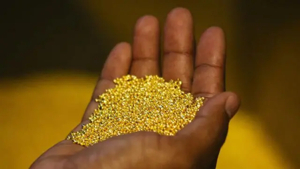
A gold refinery processes raw gold, dorรฉ bars, concentrates, or recycled gold into high-purity bullion. Most modern refineries produce:
- 99.5% purity gold bars.
- 99.99% purity investment-grade gold.
- Gold granules and industrial products.
- Customized bullion products for investors and institutions.
The refining process removes impurities such as silver, copper, and other metals to achieve internationally recognized purity standards.
Largest Gold Refineries in Africa
Some of the most recognized gold refining facilities on the continent include:
- Rand Refinery in South Africa.
- Gold Coast Refinery in Ghana.
- Bullion Refinery Limited in Uganda.
- Various private and state-supported refineries operating across East, West, and Southern Africa.
These facilities process gold from mines, traders, and exporters throughout the continent.
Challenges Facing Gold Refineries in Africa
Despite growth, African gold refineries face several challenges:
- Limited access to advanced refining technology.
- Competition from international refining centers.
- Regulatory and compliance requirements.
- Infrastructure and energy costs.
- Responsible sourcing and traceability concerns.
Addressing these issues is essential for strengthening Africa’s refining sector and increasing investor confidence.
The Future of Gold Refining in Africa
The future of gold refining in Africa appears promising. With growing gold production, government support for value addition, and increasing demand for responsibly sourced precious metals, more refining facilities are expected to be established in the coming years.
As African countries continue investing in mining and mineral processing, the continent’s refining capacity is likely to expand beyond the current estimate of more than 25 gold refineries, helping Africa retain a larger share of the value generated from its vast gold resources.
Conclusion
Africa is estimated to have more than 25 gold refineries, with major facilities located in South Africa, Ghana, Tanzania, Uganda, Kenya, Mali, and several other gold-producing nations.
The number continues to grow as governments and private investors focus on local beneficiation, value addition, and strengthening Africa’s role in the global gold industry. For gold buyers, investors, and traders, Africa’s expanding refining sector represents an increasingly important part of the international gold supply chain.