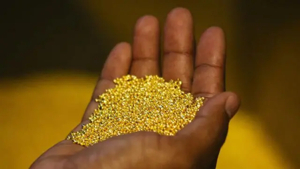
Gold Export Laws in Ghana

Gold Export Laws in Ghana

Gold Export Laws in Ghana: The Complete 2026 Legal Guide for Buyers and Exporters

Gold Export Laws in Ghana: Anyone researching gold export laws in Ghana in 2026 needs to understand one thing first: the rules changed dramatically last year, and the old playbook no longer applies.

If you’re trying to export gold from Ghana legally, source from a licensed Ghana gold exporter, or simply understand what documentation a legitimate shipment must carry, this guide breaks down the current legal framework in plain language — and explains why working with a properly licensed African supplier like Gold Bars For Sale Africa is the safest way to navigate it.

The Law That Changed Everything: The Ghana Gold Board Act, 2025 (Act 1140)

For decades, Ghana’s gold export regulations ran through the Minerals Commission and the Precious Minerals Marketing Company (PMMC), which licensed private exporters known as Licensed Gold Exporters (LGEs). That system was overhauled on 2 April 2025, when Ghana enacted the Ghana Gold Board Act, 2025 (Act 1140), creating a new state authority called the Ghana Gold Board, or GoldBod.

Under this law, GoldBod became the sole buyer, assayer, and exporter of gold from Ghana’s artisanal and small-scale mining sector. Every PMMC licence and every Ministry of Mines export authorisation that existed before the Act was rendered legally obsolete, with a short grace period before the export function of old licences stopped working entirely in May 2025.

If you are still hearing suppliers reference a “PMMC gold export licence” as their current authority, that is now a serious red flag under current Ghana gold trading law.

What GoldBod Now Controls Under Ghanaian Gold Export Regulations

Section 3(2) of Act 1140 gives GoldBod exclusive authority to grade, assay, weigh, and value gold produced in, brought into, or exported from Ghana; to purchase and sell gold from small-scale and artisanal miners; and to export that gold on behalf of the state or licensed partners. In practice, this means:

  • No individual or company may buy or export artisanal small-scale mining gold from Ghana without a licence issued directly by GoldBod.
  • Foreign companies are barred from directly purchasing gold inside Ghana’s domestic ASM market — Section 28 of the Act restricts domestic purchase licences to Ghanaian citizens and wholly Ghanaian-owned entities.
  • Foreign buyers who still want to buy gold legally from Ghana must apply to GoldBod for the right to purchase or off-take gold directly from the Board itself, rather than dealing informally with unlicensed local traders.
  • Large-scale mining companies remain outside GoldBod’s direct purchasing mandate and continue to operate under their existing mining leases, but ASM gold — the category most international buyers are actually sourcing — now flows exclusively through GoldBod-licensed channels.


Penalties for Trading Gold Without a Licence in Ghana

The legal consequences of unlicensed gold trading in Ghana are severe, and buyers sourcing through informal channels should take this seriously. Section 26(5) of Act 1140 makes it a criminal offence to trade or export gold without a GoldBod licence, carrying a fine running into tens of thousands of penalty units, imprisonment of five to ten years, or both.

This is not a minor administrative breach — it is one of the toughest gold trafficking laws in West Africa, and it applies equally to Ghanaian nationals and to any foreign buyer knowingly transacting with an unlicensed party.

This is precisely why due diligence on your supplier matters as much as the gold itself. Before you commit to any purchase, review our own How to Buy Gold Bars Safely Online guide, which covers exactly what documentation and licensing you should demand from any African gold seller — Ghanaian or otherwise.

Documentation Still Required for a Legal Gold Export from Ghana

Even under the new GoldBod regime, the mechanics of exporting gold from Ghana echo the assay-and-seal process that has governed the industry for years. A compliant shipment still requires:

  1. A valid gold export licence issued by GoldBod (or its predecessor authority during any transition period), typically valid for one year and renewable.
  2. An assay certificate, now issued under GoldBod’s authority, confirming the purity and weight of the gold ore or bars before export.
  3. A tax clearance certificate from the Ghana Revenue Authority (GRA), confirming no outstanding royalties or export levies are owed.
  4. A Certificate of Origin identifying the specific Ghanaian mining region the gold was sourced from.
  5. Full customs declaration and sealing — gold ore or bars cannot leave Ghana without the combined seals of the GRA Customs Division and the government-designated assay laboratory.
  6. Monthly returns filed by any licensed exporter, keeping the regulator informed of ongoing trade volumes.

For a broader look at how this compares to export documentation elsewhere on the continent, our Export Gold from Africa resource walks through the full documentation package — export permit, assay certificate, certificate of origin, commercial invoice, packing list, customs declaration, tax receipts, bill of lading, and insurance certificate — that any legitimate shipment out of Africa should carry, whether it originates in Ghana, Uganda, or elsewhere.

Why Ghana Tightened Its Gold Export Laws

The reform was driven by a clear economic logic. Ghana produced over 140 metric tons of gold in 2024, making it Africa’s leading gold producer, yet a significant share of small-scale production was slipping out of the country through unregulated channels, costing the state royalties, taxes, and foreign exchange.

Act 1140’s preamble explicitly frames GoldBod’s mandate around promoting value addition, supporting responsible mining, backing the Bank of Ghana’s gold reserve accumulation, and generating foreign exchange for the country.

For buyers, the upshot is a more traceable, more compliant Ghana gold supply chain — but also a narrower list of parties who can legally sell to you.

How This Affects International Buyers Sourcing African Gold

If you’re a buyer in Dubai, London, or anywhere else searching for gold buyers legally sourcing from Ghana, the practical takeaway is simple: only transact through parties who can demonstrate current GoldBod licensing, or through an established multi-country African exporter who sources compliantly across several jurisdictions rather than relying on a single, newly restructured market.

That diversification is exactly how we operate — sourcing certified gold from Uganda, Ghana, DR Congo, Tanzania, Kenya, and Mali under one licensed, AML/KYC-compliant framework, so a shift in any single country’s regulatory landscape never leaves your supply chain exposed.

Our own 24K & 22K Gold Bars and Gold Bullion come with independent assay certificates and full export paperwork regardless of which of our six sourcing countries the gold originates from, and buyers looking specifically for Ghanaian gold nuggets or bullion can review sourcing details on our African Gold Nuggets page, which references our supply relationships across Ghana’s Ashanti Belt, Tarkwa, and Obuasi regions.

Comparing Gold Export Law Across African Producing Countries

Ghana’s overhaul is a useful case study, but it isn’t unique — several African gold-producing nations maintain their own licensing, assay, and export-permit regimes, each with different rules for foreign buyers.

If you’re comparing gold prices and legal frameworks across African countries before choosing a sourcing market, our African Gold Prices guide breaks down country-by-country pricing and market conditions, from Uganda to Ghana to South Africa.

Buying Compliant African Gold — Wherever You’re Located

Whether you’re sourcing for delivery to the United States, the United Kingdom, UAE and Dubai, Switzerland, Hong Kong, or the wider Asia Pacific region, the legal exposure of buying non-compliant gold is the same everywhere: seized shipments, frozen funds, and possible criminal liability on the exporting side that can taint the entire transaction. That risk simply isn’t worth chasing a slightly cheaper quote from an unlicensed source.

What to Verify Before You Buy Ghanaian or African Gold

Given how fast Ghana’s gold export legislation has moved, buyers should treat licensing verification as a non-negotiable first step, not an afterthought. Before wiring funds to any Ghana-linked gold seller, confirm:

  • Current GoldBod licensing status, not an expired PMMC permit.
  • An independent assay certificate provided before payment, not after.
  • Full customs sealing and export documentation matching the shipment.
  • No requests for cash, Western Union, or cryptocurrency payment — a near-universal indicator of an unlicensed or fraudulent operation.

You can read more about our own licensing, sourcing relationships, and compliance record on our About page, and see the full range of assay, refining, and export services we offer on our Services page.

Stay Informed on African Gold Regulation

Gold export law across Africa is evolving quickly, and Ghana’s Act 1140 is unlikely to be the last major reform on the continent. Our Blog & Resources hub tracks regulatory changes across our sourcing countries, alongside practical buying guides for international investors and dealers.

Uganda Gold Prices vs Global Rates: Key Differences

Buy Legally Sourced, Fully Documented African Gold Today

Navigating gold export laws in Ghana and across Africa doesn’t have to be a legal minefield — not when you’re working with a licensed exporter who has already done the compliance work for you.

We operate under valid mineral dealer licences in Uganda and Ghana, in full alignment with OECD Due Diligence standards and international AML/FATF requirements, so every gram you buy from us arrives with the paperwork to prove it was sourced and exported legally.

Don’t risk a shipment on an unlicensed trader chasing a discount that isn’t real once you account for seizure risk. Get in touch through our Contact page today for a free quote, or message us directly on WhatsApp, and buy your African gold with full legal confidence.

📋 Get a Free Quote → | 🛒 Shop Gold Bars →


Related Pages

Leave a Reply

Your email address will not be published. Required fields are marked *